A blank calendar for the weekend can feel more daunting than a fully booked one. For many in the Dallas–Fort Worth area, the pressure to optimize every Saturday and Sunday leads to a race between brunch, errands, and social obligations. We often approach our leisure time with the same intensity we apply to our professional lives, treating a two-day break as a series of tasks to be checked off a list.
The Weight of Information
The difficulty often begins long before the weekend arrives. You might find yourself sitting at a kitchen table, surrounded by open tabs on a laptop, a half-read guidebook, and several text threads from friends. One source suggests a specific hiking trail, another highlights a new seasonal menu at a bistro, and a third mentions a local festival. Managing these competing streams of information creates a mental fatigue that can make the actual rest feel like more work. You are not just planning a trip; you are synthesizing data, trying to weigh the value of every possible option against the limited hours available.
When you are working with several different sources, the urge is to reconcile them into a single, perfect itinerary. You look for the best rating, the most convenient location, and the most unique experience. However, trying to satisfy every recommendation found in your research often results in a schedule that leaves no room for the actual experience of the place. The more information you attempt to integrate, the more rigid your plan becomes.
One Focus Over Many
A way to navigate this information overload is to select a single shared priority for the group. Instead of trying to satisfy every interest found in your research, choose one central theme—perhaps quiet movement, culinary exploration, or local history. This does not mean the other interests are discarded; it simply means they move from the mandatory column to the optional column. By establishing one anchor, you provide a sense of direction without the rigidity of a strict schedule.
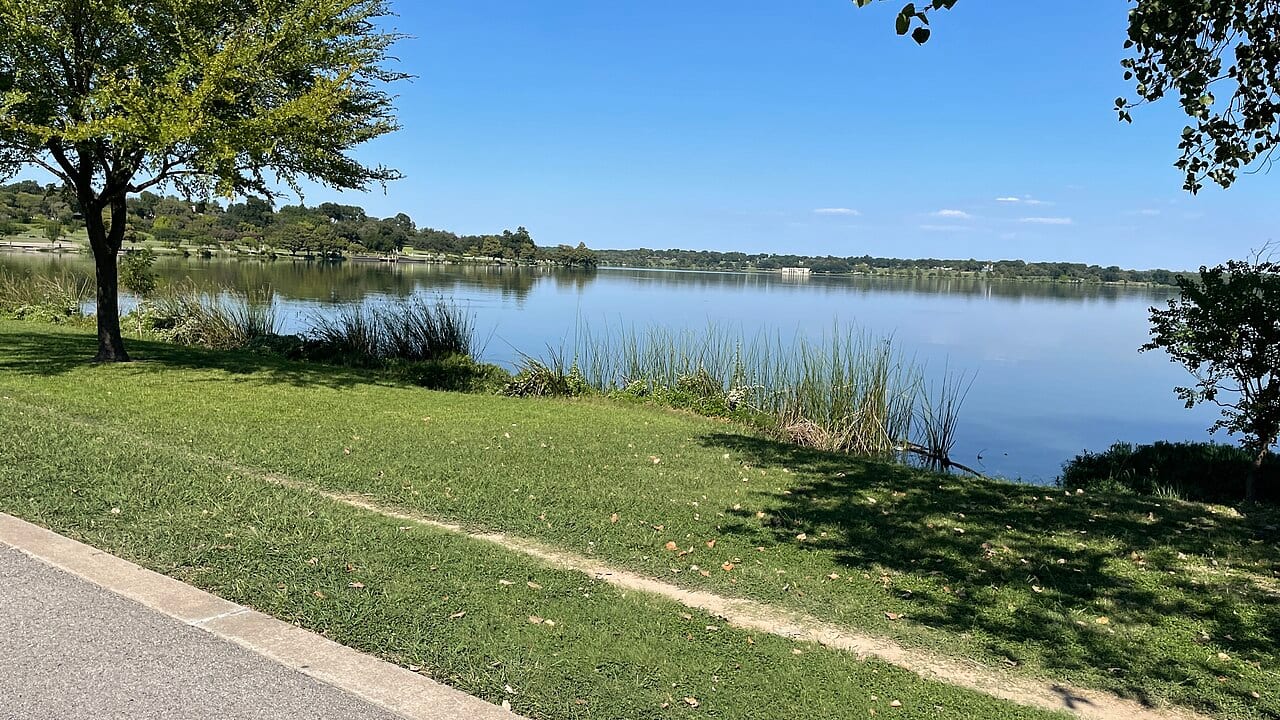
For example, if you decide that the weekend's priority is simply being outdoors, you might look at those various sources again through that specific lens. You might choose a park for a walk, but if the weather shifts or the group feels sluggish, you have not committed to a three-hour guided tour that requires high energy. The tradeoff is a loss of guaranteed variety in exchange for a change in how you experience the time. You trade the certainty of seeing five different things for the capacity to stay in one place longer if the mood strikes.
Navigating the Tradeoffs
This approach requires a willingness to let some ideas go. You may feel a sense of missing out on the festival or the bistro mentioned in your research, but those are the very things that clutter a weekend. When you decide to keep alternatives optional, you are building a buffer into your time. If a planned activity ends early, or if a spontaneous conversation leads to a different discovery, you have the capacity to follow that thread without feeling like you are falling behind a schedule.
Consider the difference between a weekend defined by access and one defined by energy. Access-based planning focuses on getting to as many locations as possible, often requiring significant transit and logistical coordination. Energy-based planning focuses on the physical or mental effort required for each task. A weekend that prioritizes access might see you visiting three different neighborhoods, while a weekend prioritizing energy might see you staying within a single square mile. Choosing between these two modes changes the entire character of your rest.
To make this work, ask your companions which single element of the upcoming weekend matters most to them. Once that anchor is set, look at your collected information and identify which activities support that goal. If an activity feels like it belongs to a different priority, leave it off the itinerary. The goal is to arrive at Saturday morning with a direction, but not a deadline.


