This is a paid partner contribution. Commercial relationships are disclosed so readers can distinguish sponsored content from editorial guides.
A new sign often begins as a vague idea or a simple sketch on a napkin. Whether it is a storefront marker, a directional guide for a hallway, or a custom graphic for an event, the transition from a mental image to a physical object involves a series of specific choices. The quality of the final product often depends on how much detail you can provide during that initial discussion.
Defining the Environment
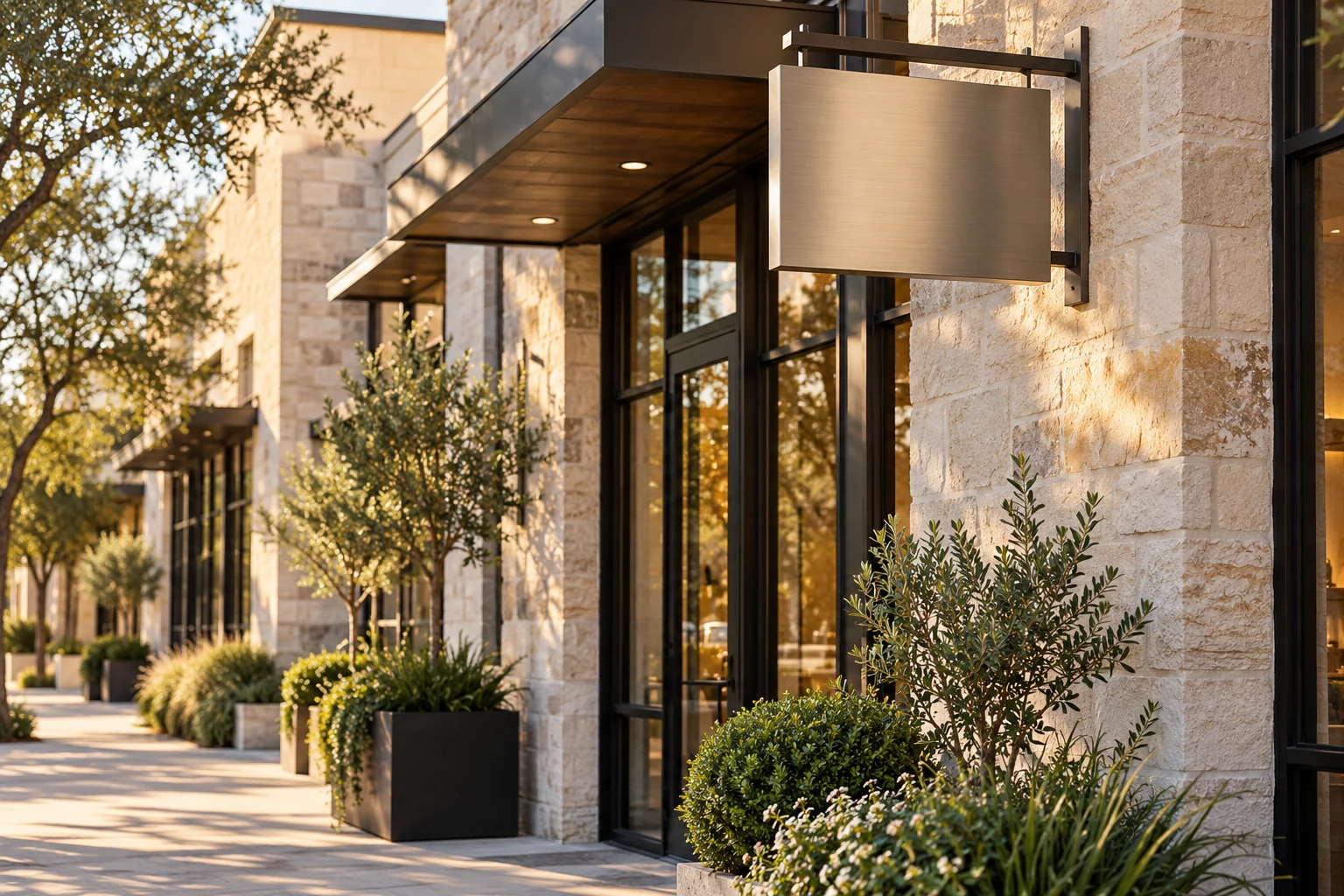
Before looking at colors or fonts, consider the physical location where the sign will live. A sign mounted on a brick exterior faces different environmental factors than one placed inside a climate-controlled lobby. The lighting in your area—whether it is natural sunlight or overhead fluorescent bulbs—will change how colors appear to a passerby. You might consider the distance from which you want people to see the message. A sign intended for a driver moving at forty miles per hour requires different considerations than one meant for a pedestrian walking a slow pace through a corridor.
Balancing Aesthetics and Utility
Every design choice involves a tradeoff between how something looks and how it functions. For example, a highly decorative, swirling script might look elegant in a boutique window, but it may become difficult to read from across a parking lot. Similarly, a large, brightly colored sign might grab attention effectively, but it could clash with the existing architecture of your building. For example, if you own a historic building with muted tones, a neon-bright plastic sign might feel out of place. Deciding whether you prioritize immediate visibility or subtle integration into your surroundings is a vital part of your preparation.
Preparing Your Details
To make the most of a consultation, gather the specific details of your project. Having measurements of the intended mounting surface can prevent several rounds of revisions. If you have existing brand colors or logos, having those files ready allows for a more accurate discussion. You should also think about the duration of the sign's use. Is this a permanent fixture for a storefront, or a temporary display for a seasonal sale? Knowing the intended lifespan helps guide the conversation regarding materials.
Questions for the Specialist
When you sit down to discuss your project, ask questions that clarify the process. You might ask how the suggested materials will hold up in the local climate or how the installation process works. It is helpful to ask what information they need from you to provide an accurate estimate and what the timeline looks like from the moment you approve a design to the moment the sign is placed. If you are searching for a sign shop near me, bringing these specific questions will help you determine if their approach aligns with your vision. Once you have gathered your measurements and goals, you can contact FASTSIGNS Fair Park to begin the conversation.