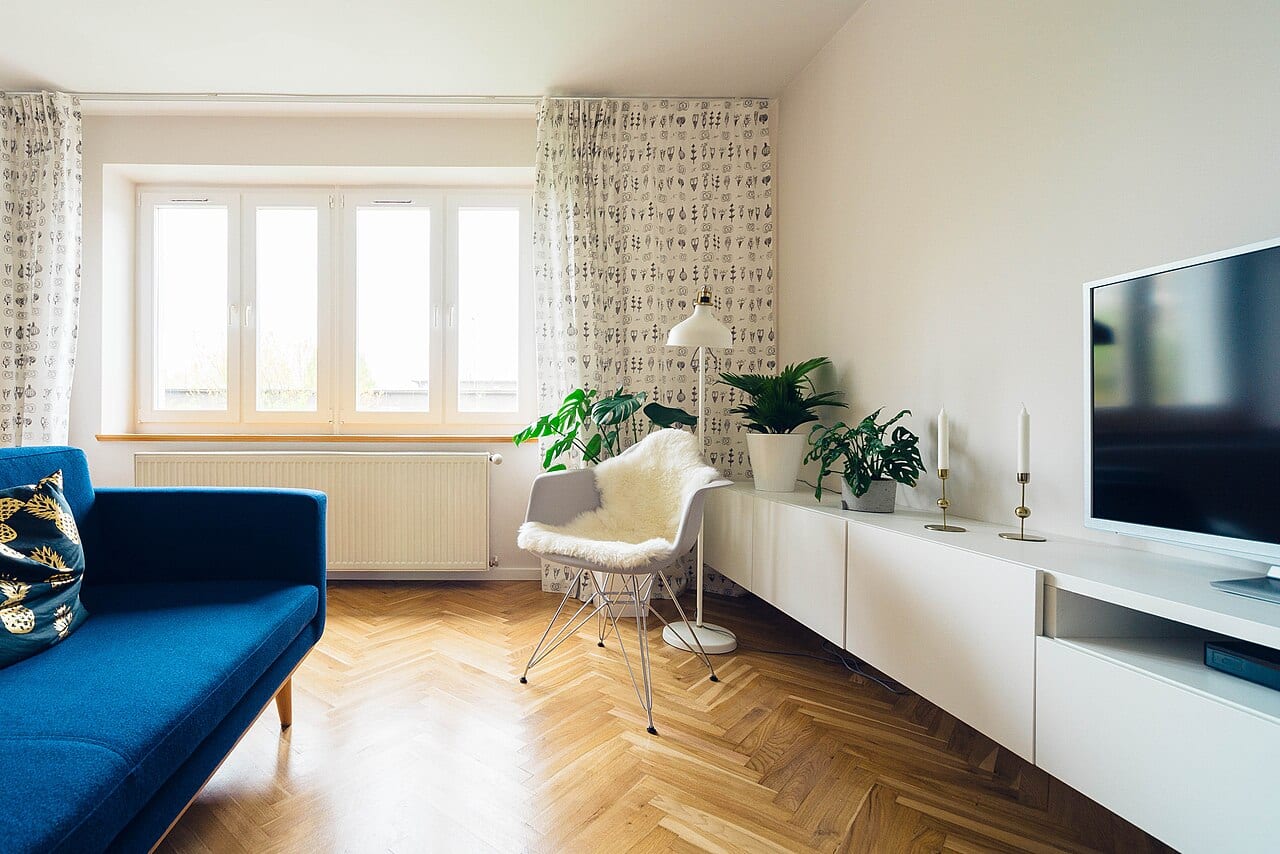
A single room can feel remarkably different depending on whether it is merely a place to sleep or a functional base for your daily life. For those living in shared housing or rental arrangements where permanent modifications are off-limits, the challenge lies in balancing personal comfort with the constraints of a space that is not entirely yours to command.
The Flexibility of Mobile Living
The most effective way to inhabit a room without leaving a trace is to prioritize furniture that serves multiple purposes and moves with ease. Lightweight shelving units, modular seating, and nesting tables allow you to reshape your environment as your needs change. Instead of heavy, static pieces that define a room's layout for years, consider items that can be reconfigured in minutes.
For example, if you find yourself needing a quiet area for reading during the day but a restful space at night, a slim, foldable desk might serve better than a traditional heavy wooden bureau. This allows you to reclaim floor space when the workday ends, preventing the room from feeling cramped or cluttered.
Managing Shifting Routines
Living in a household with varying schedules adds a layer of complexity to how you use your space. When your periods of rest do not align with those of your housemates, your room becomes your primary sanctuary for both activity and recovery. Storage becomes a tool for managing these transitions. Using opaque bins or stylish fabric containers can hide the visual noise of daily essentials, helping to create a calmer atmosphere when you return home at odd hours.
Consider the tradeoff between open shelving and closed storage. Open shelves provide quick access to frequently used items, which is helpful during a rushed morning, but they can also contribute to a sense of disarray. Closed storage offers a cleaner aesthetic and a sense of privacy, though it may require more effort to organize. Selecting a mix of both allows you to tailor the room to the specific rhythms of your lifestyle.
Respecting the Boundaries of the Lease
While it is tempting to hang art, install new lighting, or add permanent fixtures to make a space feel more personal, these changes can complicate your eventual move. Before attempting any modification that involves hardware or structural elements, ask your property management how they view proposed changes to the room. You might ask if they have specific preferences regarding wall treatments or if there are certain types of mounting hardware they permit. Confirming these details early prevents the stress of repairing or replacing items later.
Ultimately, the goal is to build a space that supports your specific way of life without creating long-term obligations. By selecting versatile furniture and thoughtful storage solutions, you can cultivate a polished, personal environment that remains entirely adaptable to your next chapter.