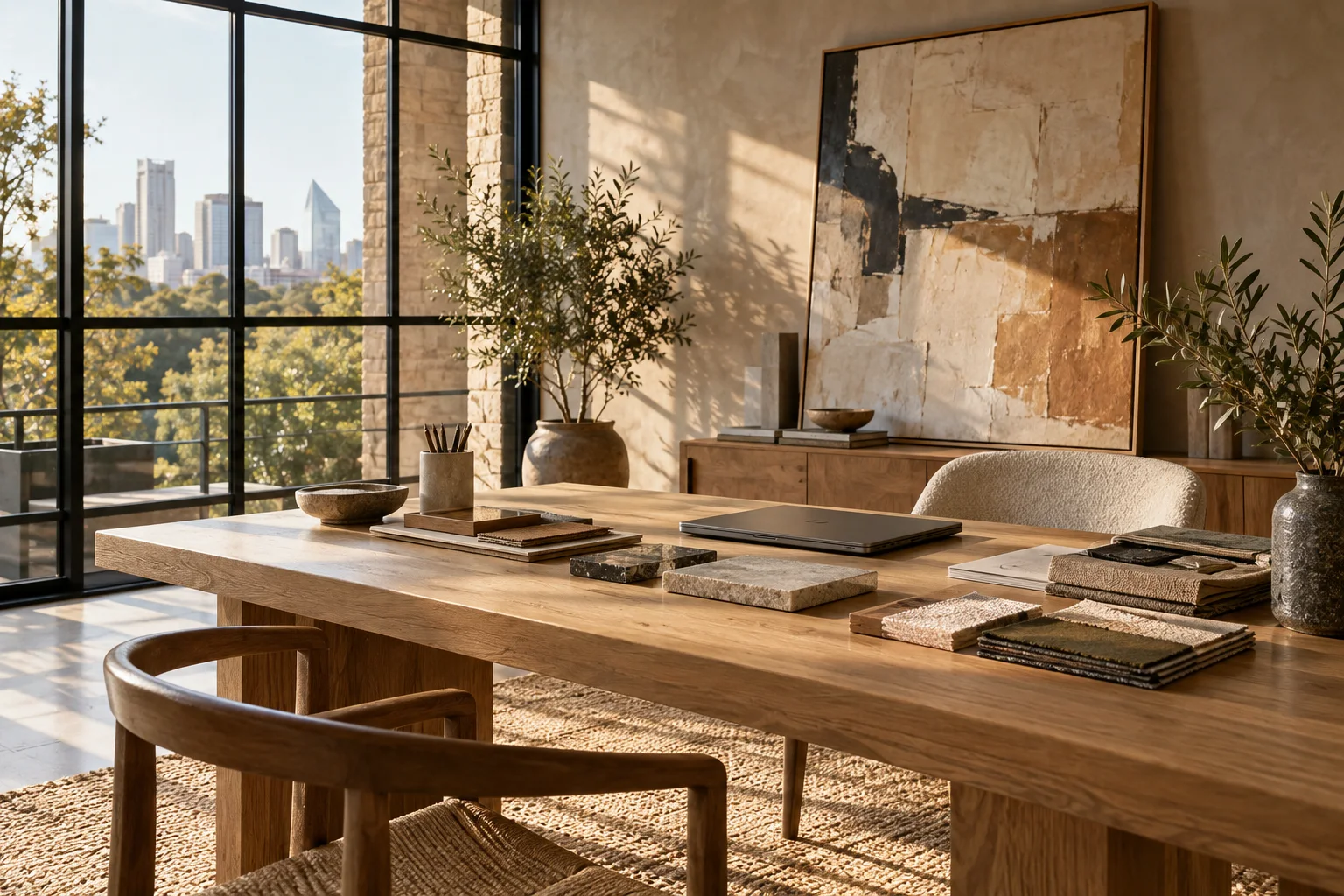
A swatch of velvet or a specific shade of sage green can feel like the most important decision in a room until the actual life lived within those walls begins to clash with the vision. When we engage with design, the impulse is often to curate a gallery of our personal tastes. However, the most successful spaces are those that respond to the friction of daily movement rather than just the stillness of a photograph.
The Friction of Function
The challenge arises when a home’s physical layout meets a shifting schedule. A room that serves as a quiet sanctuary for a morning reader might become a high-traffic thoroughfare for a teenager rushing to soccer practice or a workspace for a parent managing late-night calls. If the design focuses solely on the visual stillness of the morning, it may fail the chaos of the afternoon.
For example, if a family transitions from a predictable nine-to-five routine to a lifestyle involving irregular shifts, early school starts, and evening extracurriculars, the needs of the common areas shift constantly. A dining area that functions as a formal gathering spot on Sunday afternoons might need to serve as a rapid-fire breakfast station on Tuesday mornings and a temporary homework hub by 4:00 PM. In this scenario, the tradeoff is between a high-concept aesthetic and the practical durability required for constant reconfiguration.
Preferences versus Requirements
When communicating with a designer, it is helpful to separate what you want from what you need. A preference is a stylistic choice, such as a preference for minimalist surfaces or a specific lighting temperature. A requirement is a response to a recurring logistical problem, such as the need for integrated storage to manage the influx of gear during a busy week, or the necessity of acoustic separation for someone working from home while others are active in the kitchen.
If you find yourself frustrated by a space, ask yourself whether the issue is that it does not look the way you imagined, or that it does not allow you to perform your tasks efficiently. A beautiful room that complicates your ability to transition from work to family time is a room that has failed its primary purpose. Identifying these specific points of tension allows a designer to move beyond mere decoration and toward spatial problem-solving.
Refining the Vision
Before committing to a final plan, observe the patterns of your household for a week. Note where the clutter accumulates, where the light is most needed at specific hours, and where movement feels constricted. Once these patterns are clear, you can provide feedback that is actionable rather than purely subjective.
Instead of telling a designer you dislike a certain layout, explain how the current flow disrupts your evening routine. Ask the professional how their proposed materials and furniture arrangements address the specific movements and schedule shifts you have identified. By centering the conversation on the lived experience of your home, you ensure the final result is as resilient as it is beautiful.


