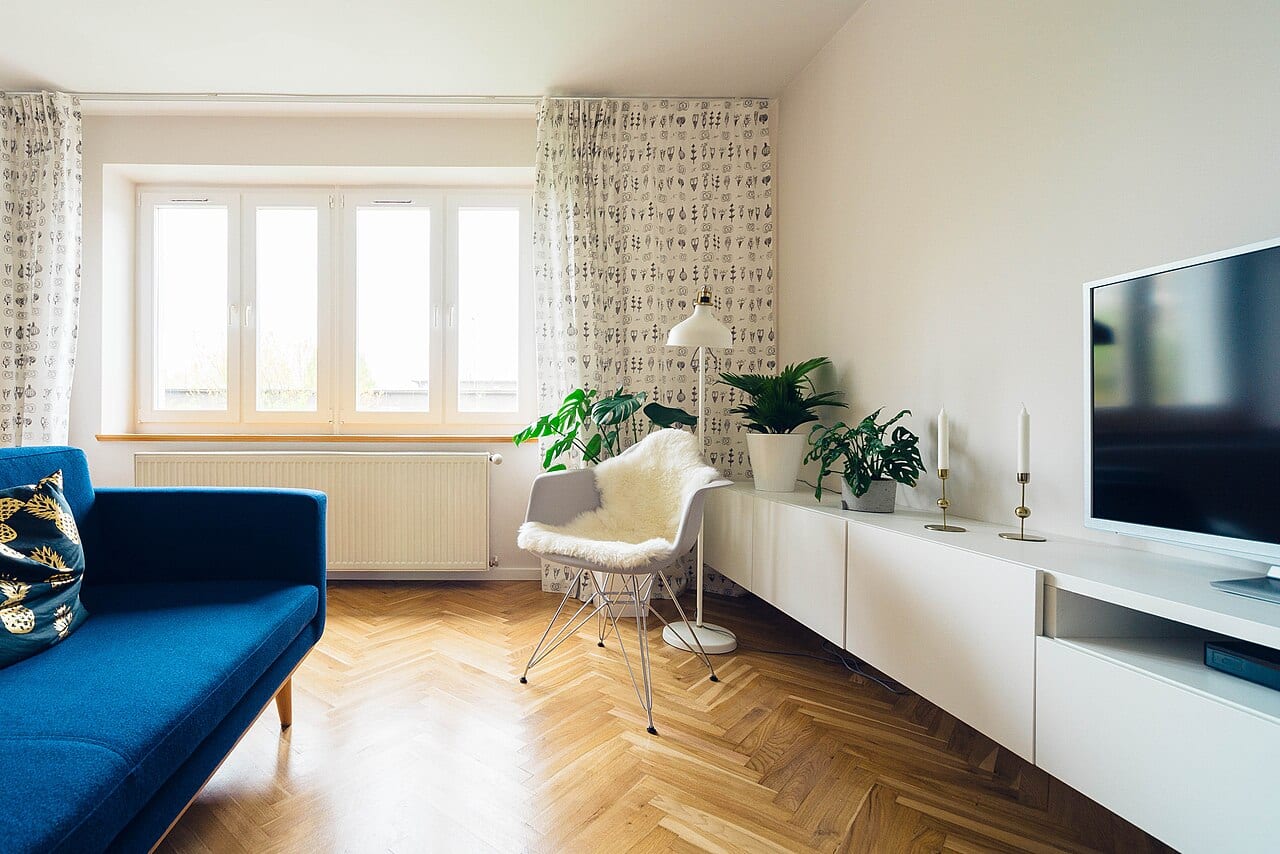
A heavy mahogany sideboard sits in the center of the living room, its surface etched with decades of use. For a homeowner in North Texas, acquiring such a piece often feels like capturing a fragment of history, but the initial excitement can quickly give way to the quiet tension of assessing damage. The scratches are deep, the finish is uneven, and the structural integrity of the legs remains an open question. Before any tools are lifted, the task is to move from vague concern to a documented understanding of the object.
Mapping the Surface
The first step is not to fix, but to witness. Take a moment to observe the object under different lighting conditions. Does a shadow reveal a dent that was invisible in the afternoon sun? Is the discoloration a surface-level stain or something that seems to penetrate the grain? Documenting these details creates a baseline. Instead of simply noting that the piece is "damaged," look for the specific character of the wear. Note where the finish has thinned and where the wood itself feels compromised. This documentation serves as your primary tool when deciding whether the object is a candidate for restoration or merely a decorative relic.
The Tradeoff of Preservation
Every restoration involves a fundamental tension between two different goals: returning the piece to its original, pristine state or maintaining the patina that proves its age. For example, if you have a dining table with several circular marks from heat, you face a choice. You might pursue a complete stripping and refinishing to achieve a uniform, showroom glow, or you might opt for a localized repair that preserves the character of the wood while stabilizing the surface. The former offers a fresh start, while the latter honors the history of the object, even if it leaves some imperfections visible.
Defining the Scope
Once you have identified the desired appearance, you must determine what is actually possible. This is where the distinction between a dream and a plan occurs. Rather than requesting a "fix," prepare a list of your specific observations and intentions. Ask a furniture restoration professional what can be achieved given the specific condition you have documented. You might ask how they approach the specific type of wood or how they intend to address the structural stability of the joints. Ask what the limitations of the material are in relation to the finish you desire. By focusing on what is feasible rather than demanding a specific outcome, you allow the professional to provide a realistic assessment based on the physical reality of the piece.
The decision to proceed rests on the clarity of your own requirements. Once you have weighed the aesthetic tradeoff and gathered specific answers regarding the work, you can decide if the object’s history is worth the investment of its renewal.
