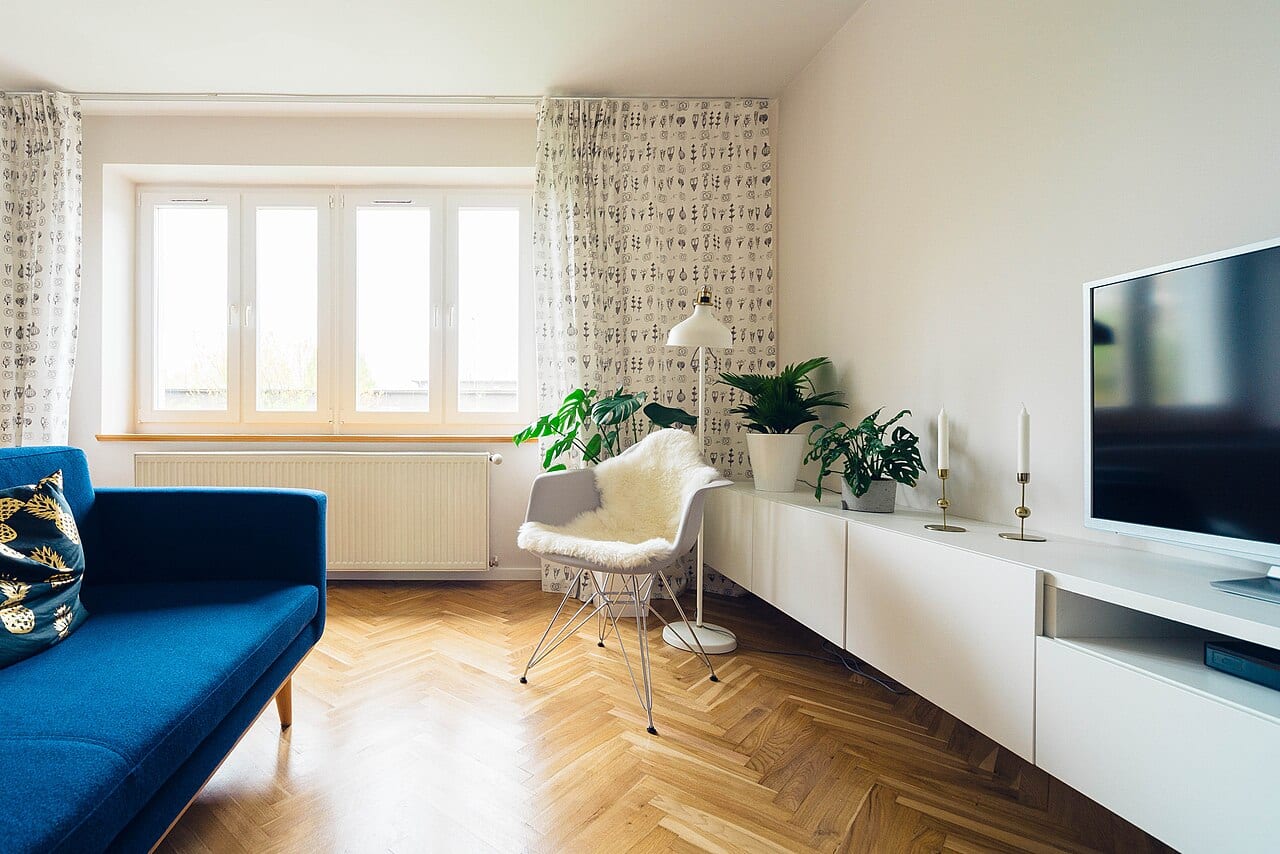
The spare bedroom in a North Texas home rarely stays empty for long. For many, it is the most hardworking square footage in the house, serving as a dedicated home office, a seasonal storage zone, or a quiet reading nook. However, when family or friends travel into the DFW area, that functional space must suddenly transform into a place of rest. The challenge lies in managing a room that is constantly shifting between a high-productivity zone and a hospitality suite.
The Tension of Dual Utility
A room used for daily work carries a specific energy. It is often filled with monitors, files, and the organized clutter of a professional life. When a guest arrives, that same environment can feel cramped or intrusive. You face a tradeoff: do you sacrifice your daily efficiency to maintain a permanent, empty guest room, or do you integrate the two functions and risk making your visitors feel like they are sleeping in a cubicle?
For example, if you decide to keep a large desk and an ergonomic chair in the center of the room to maintain your workflow, you may find that the footprint of these items leaves very little floor space for a luggage rack or a walking path. Conversely, if you move your entire office into the hallway or a closet to make room for a bed, you may find your professional routine suffers during the weeks when no one is visiting.
Designing for Reversibility
The most successful multi-purpose rooms rely on elements that can be easily repositioned or tucked away. Instead of permanent furniture shifts, consider items that serve a singular purpose only when needed. This might include a high-quality daybed that functions as a sofa during your workweek, or a modular shelving unit that keeps office supplies contained and out of sight when the room transitions to a guest suite.
Think about the surfaces available. A desk can serve as a vanity for a guest, provided it is cleared of active paperwork. The goal is to create a space where the "everyday job" of the room does not prevent it from performing its "special occasion" duty. Look for furniture that offers hidden storage, allowing you to stow away office peripherals or seasonal decor to create a sense of openness for your visitors.
Evaluating the Transition
Before committing to a heavy reorganization, observe how you actually use the space during a typical month. Does the room feel cluttered because of your work, or because of stored items that no longer serve a purpose? If you are considering significant changes to the room's layout, ask yourself if the new arrangement supports your primary daily needs while still allowing for a comfortable guest experience. If you are planning to move heavy furniture or modify electrical access for a new desk setup, ask a professional how the proposed layout affects the room's existing utilities and light distribution. By focusing on flexible, reversible choices, you can ensure the room remains a productive asset for you and a welcoming retreat for others.