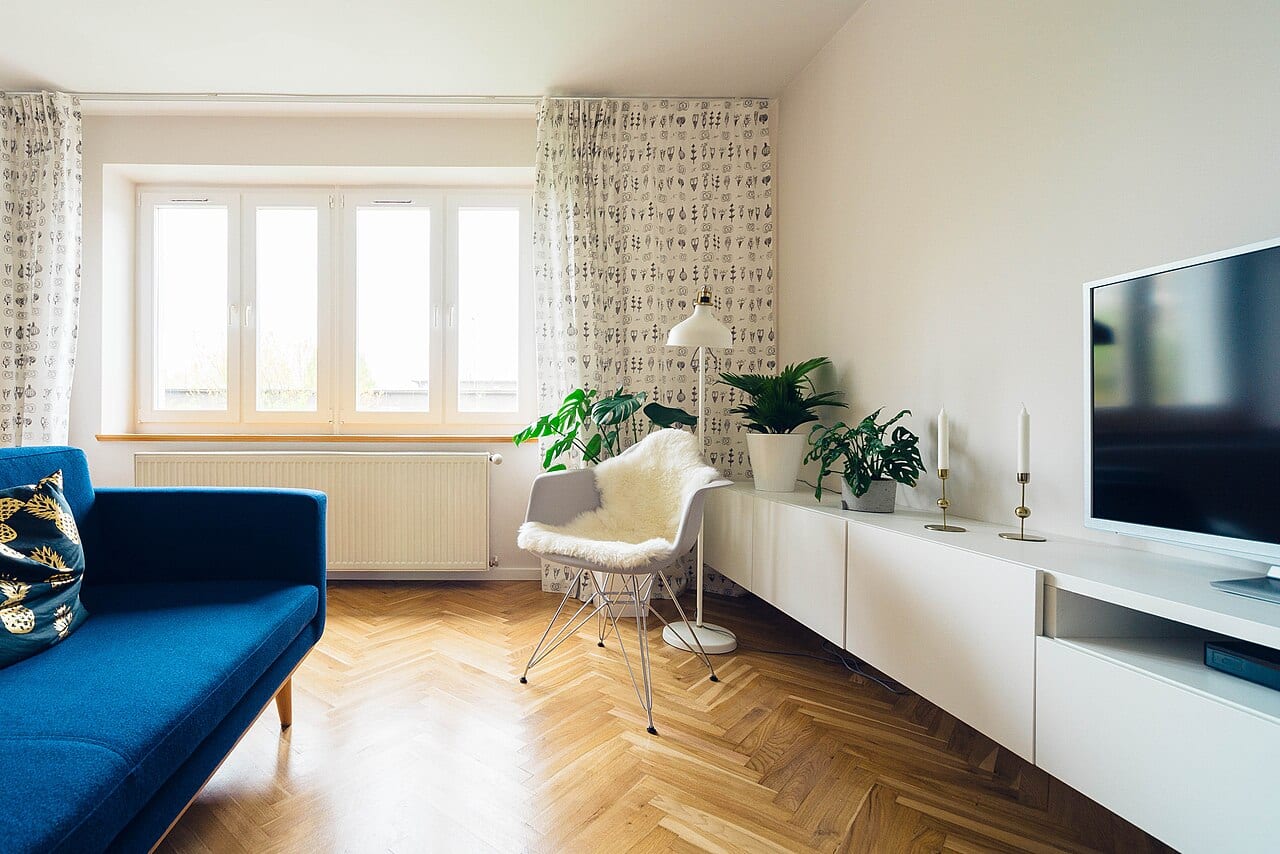
A new area rug often feels like a significant commitment to a room's character. You might find yourself staring at a swatch in a showroom, trying to reconcile a vibrant pattern or soft texture with the existing layout of your living room. The challenge is that a rug does not exist in a vacuum; it interacts with the legs of your sofa, the edges of your coffee table, and the natural paths you walk when moving from the hallway to the kitchen. Without a physical sense of its scale, you are essentially making a permanent decision based on a two-dimensional concept.
The Conflict of Logic and Feeling
Many people approach home decor by trying to balance two competing forces: the evidence of the room's dimensions and their own personal sense of comfort. You might look at a rug size and conclude, based on the math of the floor space, that a specific large rectangular piece is the logical choice. However, your intuition might suggest that a smaller, more centered rug feels more intimate or less overwhelming. This tension between what the measurements suggest and what your eyes prefer can make the selection process feel stalled.
For example, if you are choosing between a rug that sits entirely under the front legs of your seating and one that extends far beyond the furniture, you are facing a tradeoff. The larger option provides a sense of continuity and scale, while the smaller option creates a distinct, contained zone. One choice follows a sense of proportion, while the other follows a sense of coziness. Deciding between them requires more than just measuring the floor; it requires feeling the flow of the room.
Testing the Footprints
To bridge the gap between what looks good on paper and what feels right in practice, you can create a physical proxy for the rug. Using painter's tape or large sheets of butcher paper, outline the dimensions of the potential rug directly on your floor. This allows you to see the actual footprint without the financial commitment. This method moves the decision from an abstract thought to a tangible observation of your specific environment.
Once the outline is down, walk through your daily routines. Imagine you are carrying a tray of drinks or moving through the room to reach a bookshelf. Does the paper outline obstruct a natural walking path? Does the edge of the proposed rug sit in a spot where someone might constantly trip or where a chair leg might catch the corner? By walking the perimeter of your paper boundaries, you can observe how the scale affects your movement and whether the proposed boundary interferes with the way you actually inhabit the space.
Observing the Layout
With the outline in place, move your existing furniture. Place your chairs, tables, and sideboards relative to the paper edges. This step helps you see if the rug's boundaries create a sense of clutter or if they successfully anchor the furniture. You may find that a rug you previously loved looks awkward when placed next to a specific floor lamp, or that a size you thought was too large actually makes the room feel more balanced. This process allows you to see the relationship between the textile and your belongings in real-time.
If you find that the layout still feels uncertain, ask yourself whether the tension comes from the size of the rug or the placement of the furniture itself. If the paper outline reveals a recurring issue with walking paths, you might need to adjust your furniture arrangement before you ever select a textile. Once you have observed how the boundaries interact with your physical movement and your furniture, you can move forward with a choice that satisfies both your spatial logic and your personal preference.