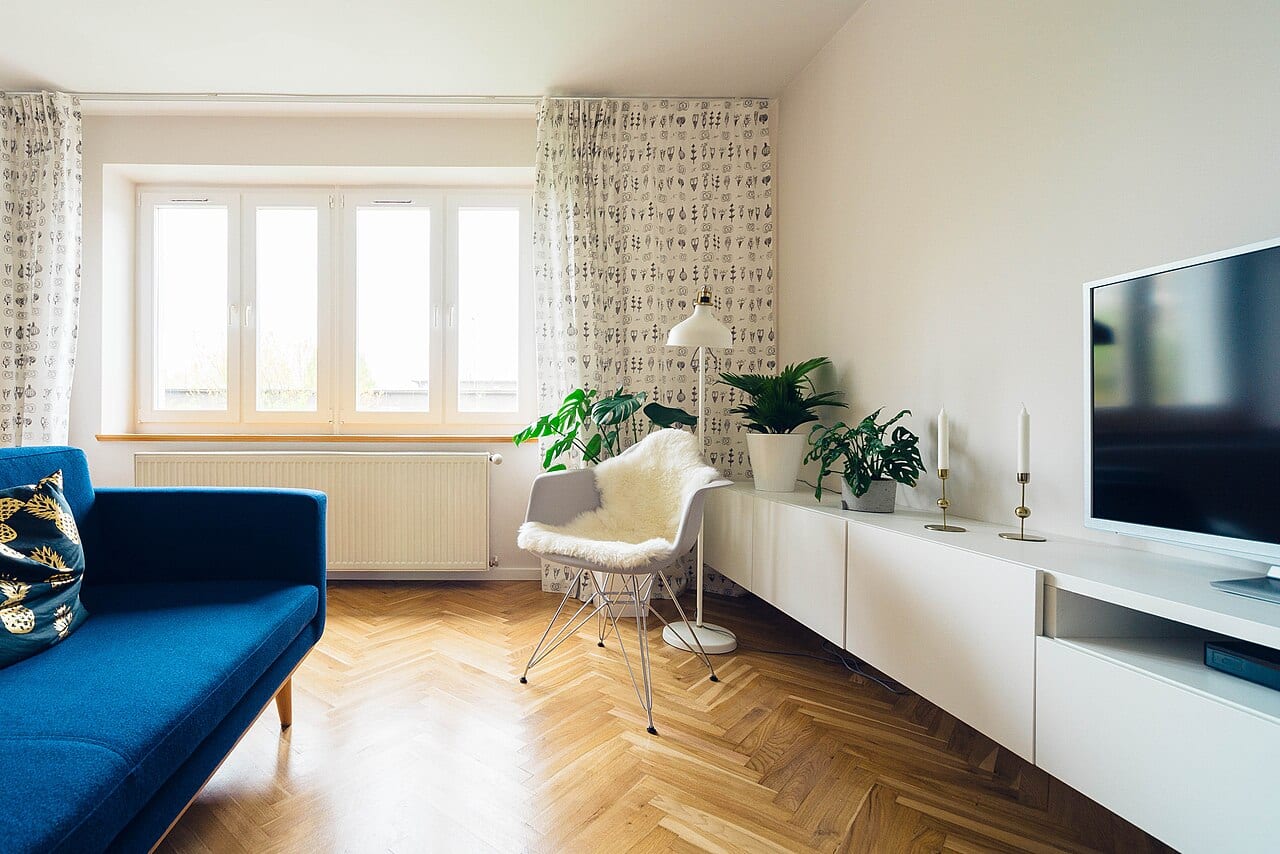
The morning sun hitting a living room floor can transform a space, casting long, warm shadows that make a quiet cup of coffee feel like a ritual. Yet, that same light can turn a television screen into a mirror or expose a private evening conversation to a neighbor’s view. Choosing how to dress a window is a constant negotiation between these two competing desires: the need for natural illumination and the need for a sense of seclusion.
The Weight of Visual Texture
When walking through a home, one notices how different materials change the mood of a room. A heavy fabric might make a dining area feel intimate and grounded, while a sheer, light-catching material can make a small breakfast nook feel airy and expansive. The decision often rests on how much visual weight you want to add to your walls. A thick, opaque material offers a sense of permanence and substantiality, whereas something more translucent maintains a connection to the sky and the movement of trees outside.
For example, if you are decorating a room used primarily for evening relaxation, you might prioritize a complete block of light to create a cozy atmosphere. However, if that same room serves as a home office during the day, you face a tradeoff. You may need enough light to keep the space from feeling dim, but enough coverage to prevent glare on your computer screen. You are essentially choosing between a room that feels open to the neighborhood and one that feels like a private sanctuary.
Confirming the Details
Once you have a sense of the aesthetic you want, the process moves from intuition to verification. It is easy to fall in love with a fabric swatch in a showroom, but the way that material behaves in your specific light can be different. Before committing to a purchase, it is helpful to look at what has actually been confirmed regarding the installation and the long-term look of the product.
When meeting with a supplier, move past the initial visual appeal and ask specific questions about the practicalities. Ask how the chosen material will respond to the specific direction of the sun in your rooms. If you are concerned about how much the neighbors can see, ask how much light will filter through the material when it is in its closed position. You might also ask how the hardware will be mounted and what the finished appearance will look like against your existing trim.
Refining the Vision
The most successful window treatments are those that feel like a natural extension of the room rather than an afterthought. Rather than settling for the first option that provides basic coverage, take the time to observe how light moves through your home at different hours. Ask your supplier how the specific dimensions and materials they have suggested will address the light and privacy needs you have identified. By focusing on these observations, you ensure that your windows serve your lifestyle rather than complicating it.