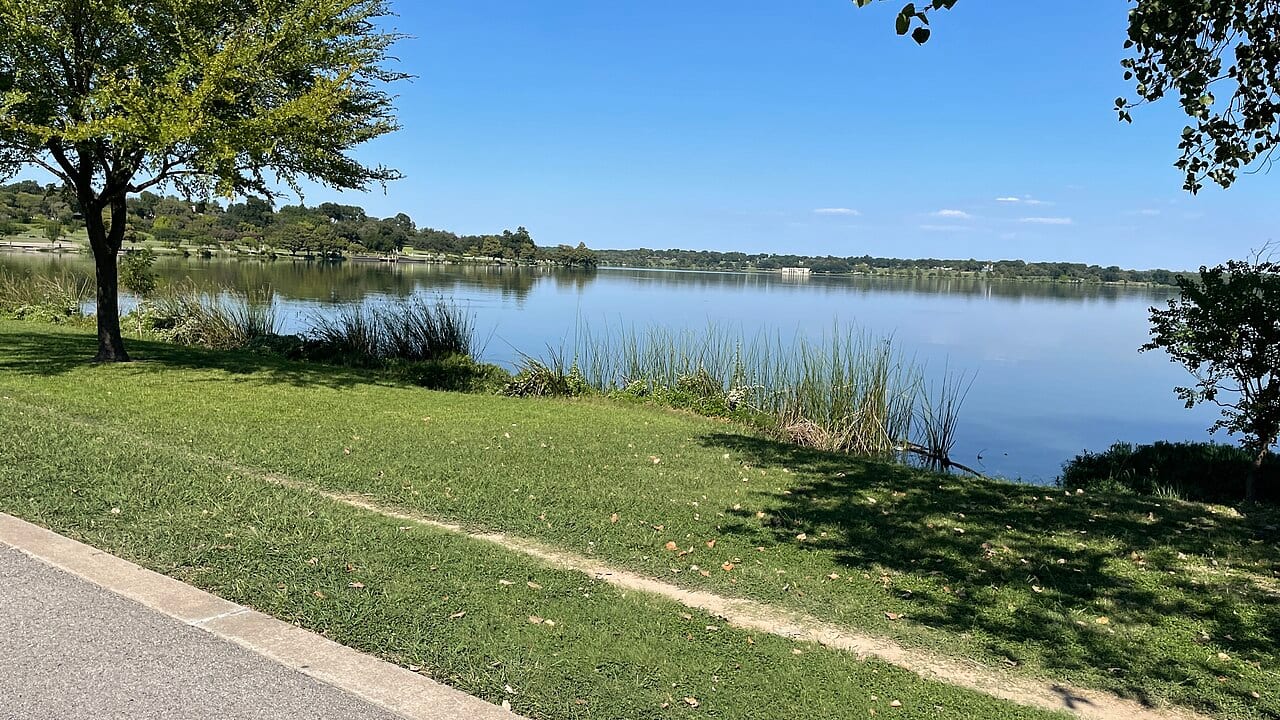
A trailhead, a paved path, or a winding park trail all offer the promise of fresh air and conversation. Yet, the success of a group outing often hinges on the invisible work done before anyone ties their laces. For those organizing a walk for friends, family, or colleagues, the challenge lies in reconciling different physical capacities and personal preferences into a single, cohesive plan.
Reconciling Divergent Expectations
Planning a walk often involves synthesizing information from various sources. You might be looking at a digital map showing elevation changes, reading a recent social media post about trail maintenance, and listening to a friend mention their recent knee discomfort. The task is to take these disparate pieces of data and build a plan that respects everyone’s boundaries.
The primary tradeoff involves choosing between a destination-focused walk and a pace-focused walk. A destination-focused walk prioritizes reaching a specific landmark, which can create pressure on those moving more slowly. A pace-focused walk prioritizes the social rhythm, which might mean the group never reaches the intended viewpoint. To navigate this, ask your companions about their preferred distance and the specific conditions they feel comfortable with before the day arrives.
Navigating the Unknowns
Even with a well-researched plan, conditions on the ground can shift. A trail that appeared smooth on a satellite map might be muddy or obstructed by fallen debris. Rather than assuming the path is as described in a guidebook, ask the local park authority or a frequent visitor about the current state of the route. Confirming whether a specific path is currently open or under repair can prevent a group from arriving at a dead end.
For example, if you are organizing a group to walk a loop through a local nature preserve, you might find that one segment is significantly steeper than the others. If half the group is looking for a leisurely stroll and the other half is seeking a vigorous workout, the steep segment becomes a point of friction. In this scenario, having a pre-arranged agreement on how to handle such obstacles is essential.
The Flexibility Agreement
A successful outing requires more than just a map; it requires a social contract regarding when to pivot. Before setting out, discuss how the group will handle changes in weather, fatigue, or unexpected terrain. Ask the group: "At what point should we decide to turn back or shorten the loop?" or "How will we signal if someone needs to take a break?"
By establishing these markers early, you remove the awkwardness of mid-walk negotiations. When the decision to change plans is made, it is not seen as a failure of the plan, but as a successful application of the group's prior agreement. A walk is ultimately defined by the people moving through it, and a plan that allows for human variability is the one most likely to be repeated.