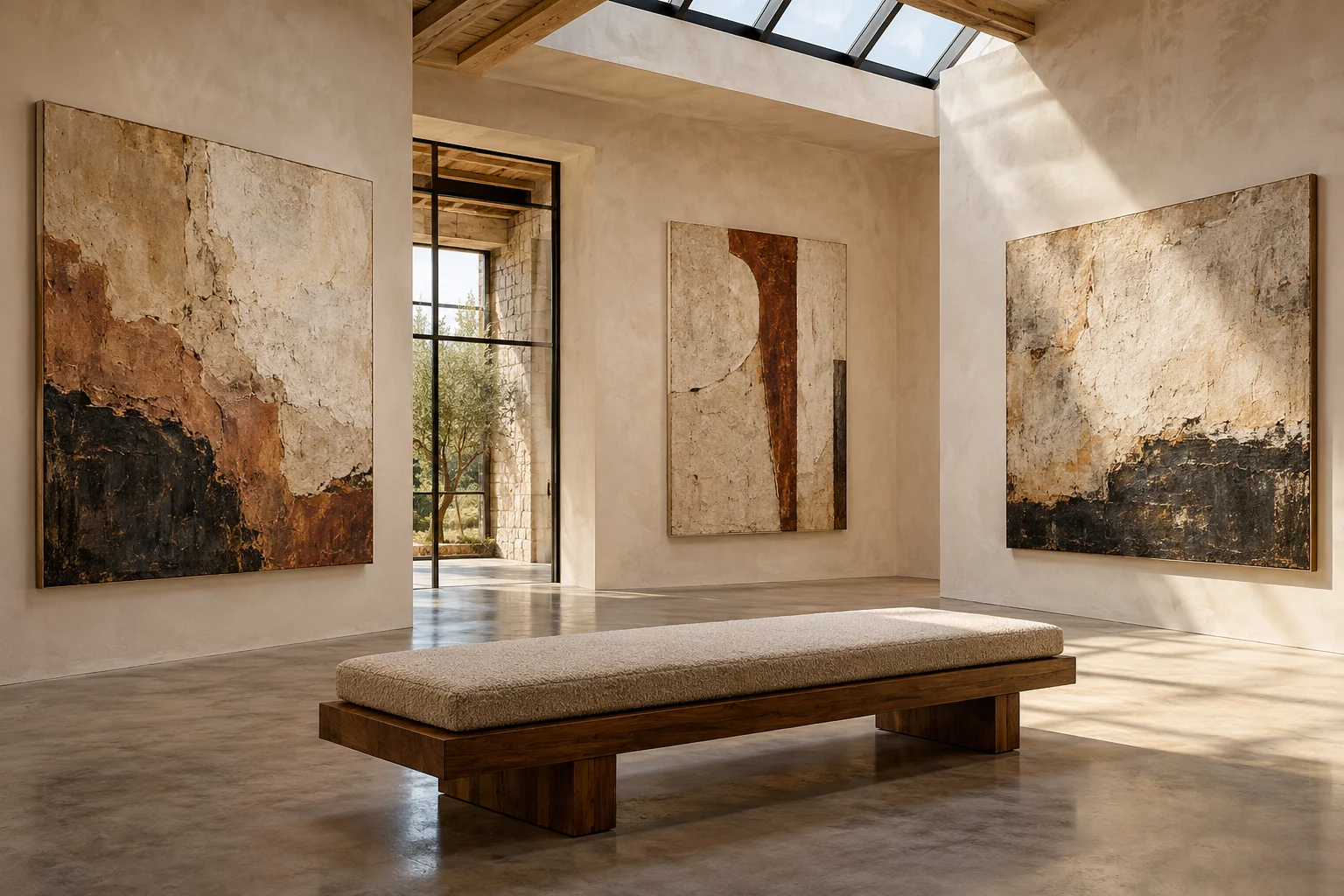
A sudden pull toward a canvas or a sculpture can feel instantaneous. One moment you are walking through a gallery, and the next, a specific piece has claimed your attention. While that visceral reaction is often the starting point of any collection, the transition from a moment of impulse to a deliberate acquisition involves a shift in perspective. For the thoughtful buyer, the challenge lies in distinguishing between a fleeting emotional response and a reasoned decision.
Separating Feeling from Fact
It is easy to let a sense of wonder cloud the practicalities of a purchase. You might find yourself enamored with the way a certain shade of blue interacts with the light in a showroom, but that aesthetic pleasure is separate from the history of the object itself. To maintain clarity, one must learn to observe the work as a physical entity and a historical record rather than just a source of inspiration.
For example, if you find a heavy bronze casting that feels profoundly moving, your immediate instinct might be to focus on how it makes you feel. However, a disciplined approach requires you to set that feeling aside momentarily to examine the object's stated provenance. Ask the gallery or the seller about the documented history of the piece and any records they can provide regarding its origin. Distinguishing between what the work evokes in you and what the work actually is helps prevent personal preference from overriding the objective reality of the acquisition. This distinction allows you to evaluate the object based on its own merits and its documented journey before your own enthusiasm colors the assessment.
The Geometry of the Home
An artwork does not exist in a vacuum; it enters a specific environment. A piece that looks commanding in a high-ceilinged, minimalist gallery may behave quite differently when placed in a lived-in room with existing furniture, varying light sources, and daily foot traffic. The tradeoff often involves scale and presence. A large-scale work provides a focal point but requires significant wall real estate, while a smaller piece might feel lost in a vast space or, conversely, create a sense of intimacy in a smaller nook.
Consider the physical constraints of your intended location. Ask yourself how the light in that specific room will change the appearance of the medium throughout the day. If the work is destined for a room with significant natural light, consider how that exposure might interact with the materials. It is also worth considering the physical requirements of the piece, such as the weight or the method of mounting, to ensure the intended space can accommodate it safely and effectively. A piece that feels right in a gallery may feel overwhelming or misplaced once it is surrounded by the textures and colors of your own home.
Questions for the Gallery
Before finalizing a decision, use the opportunity to gather as much information as possible from the source. Rather than relying on assumptions, direct your inquiries toward the specifics of the object's life and its current status. You might ask the seller about the specific materials used in the construction of the piece or how the artist's previous works relate to this particular item. If there are concerns about the long-term care of the medium, ask the professional what specific environmental conditions are recommended for its preservation. By focusing on these concrete observations, you ensure that your eventual choice is grounded in both appreciation and awareness. When the emotional pull and the factual evidence align, the acquisition moves from a mere impulse to a meaningful addition to your surroundings.