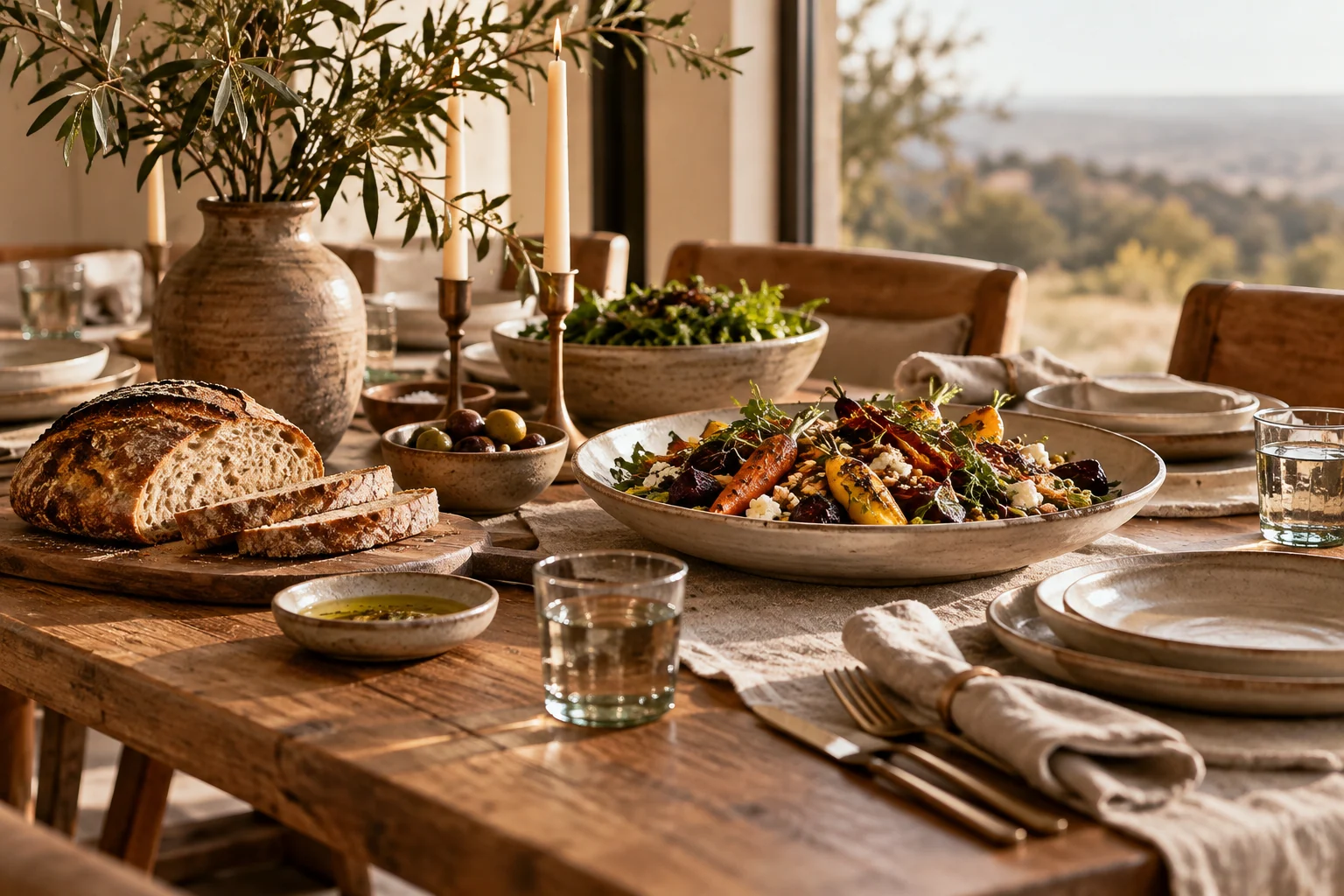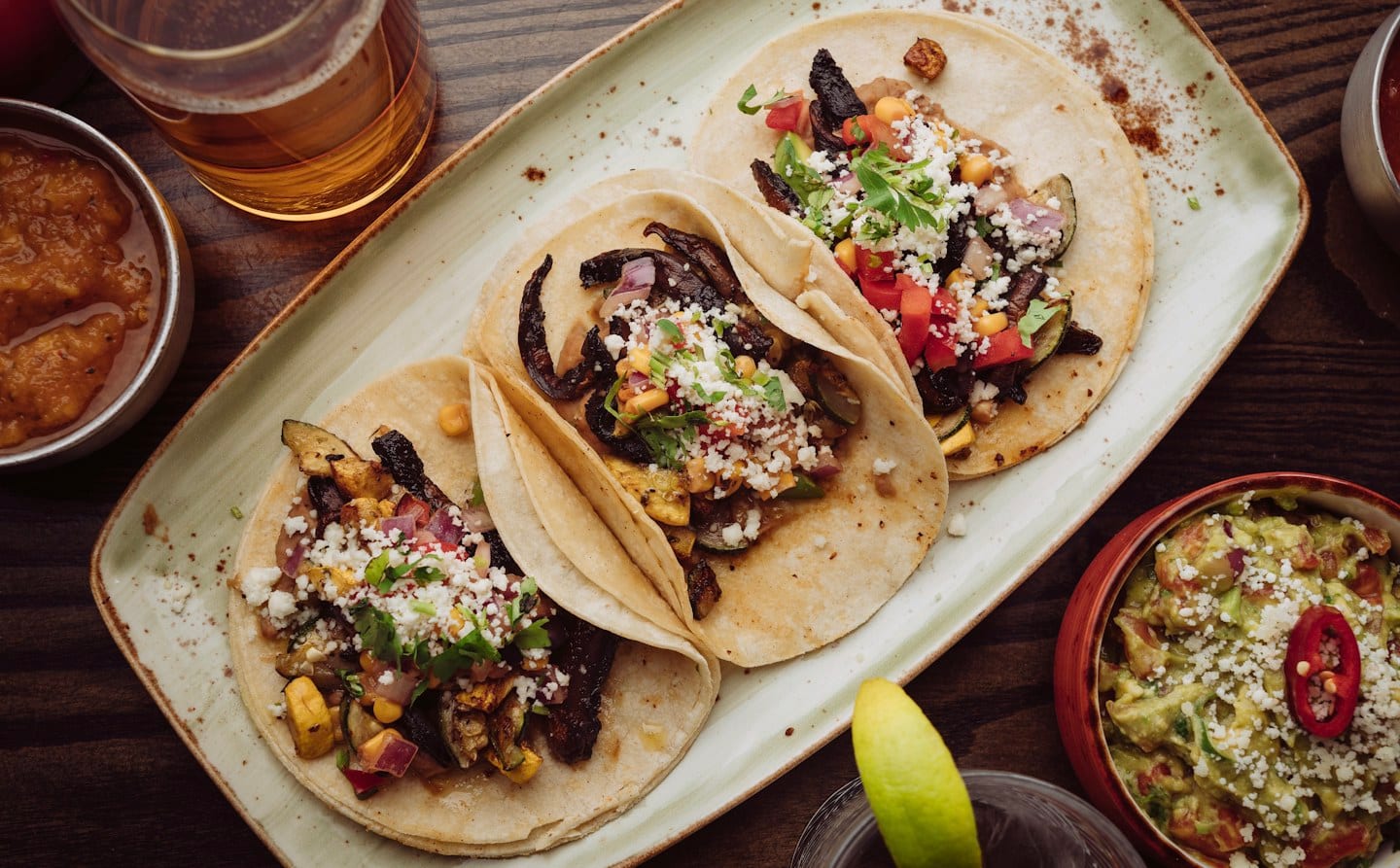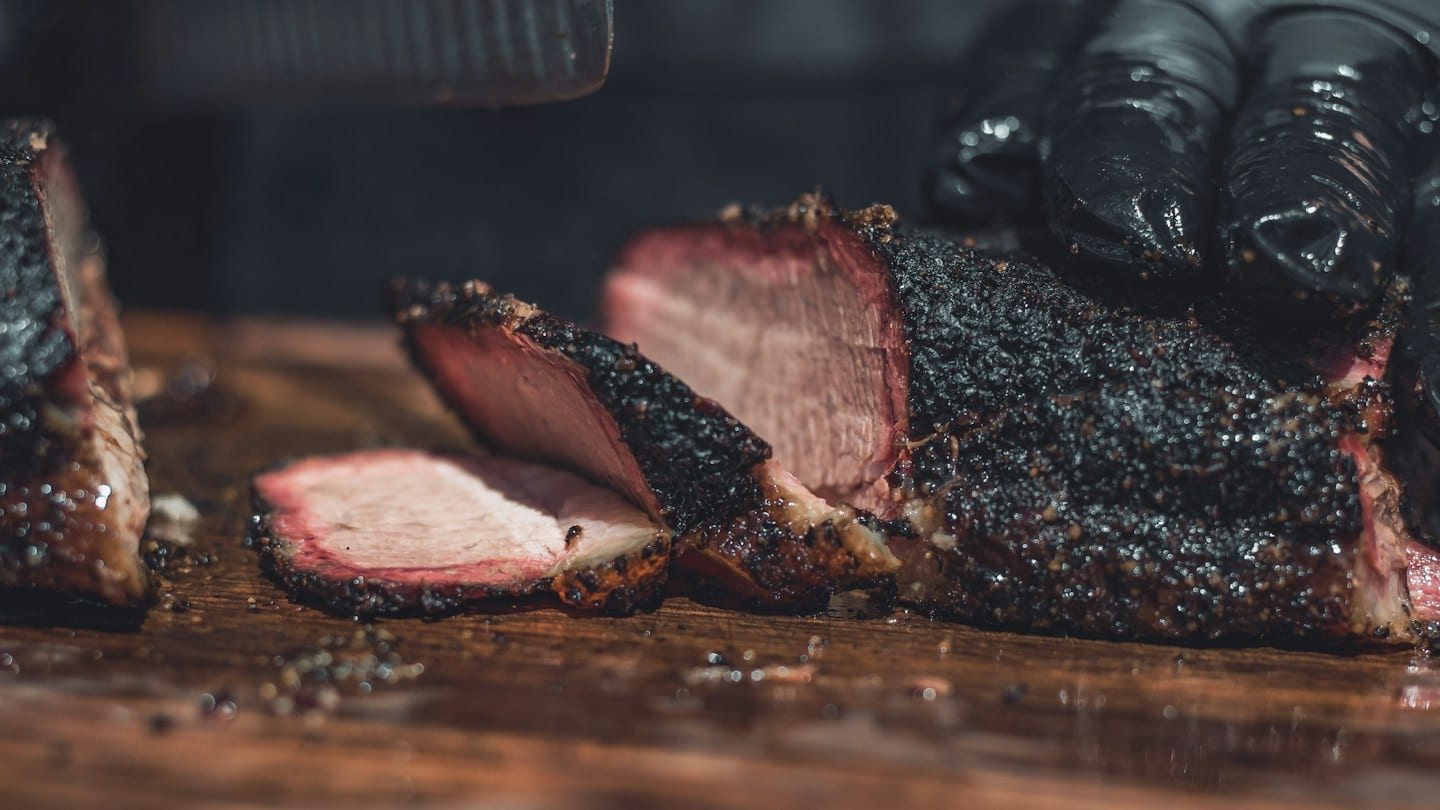
A small wooden board, three distinct varieties of local honey, and a handful of sharp cheeses can transform a Tuesday night into something more intentional. For many households in the Dallas–Fort Worth area, the evening meal is often a hurried affair, dictated by the friction of shifting work hours and extracurricular commitments. When one person arrives home at six and another at eight, the dining table can feel less like a gathering place and more like a pit stop.
Small selections over grand gestures
The impulse for a themed tasting evening is often to recreate a professional experience, complete with expansive menus and complex pairings. However, the most successful gatherings at home rely on restraint. Rather than attempting to navigate a dozen different components, select a small, manageable set. A trio of olives, a couple of artisanal breads, or a few specific chocolates provides enough variety to spark interest without overwhelming the senses or the cleanup process.
Limiting the scope also respects the reality of a crowded calendar. A massive spread requires hours of preparation and coordination that a busy week might not afford. A small selection allows for a spontaneous assembly that fits into the gaps between a late meeting and a child's bedtime.
The trap of the leaderboard
It is easy to let a tasting turn into a competition. We often reach for pens and paper to assign numerical values, attempting to crown a definitive winner. While this might satisfy a certain type of personality, it can inadvertently stifle the actual experience of eating. When the goal becomes finding the "best" item, the nuance of the flavors often gets lost in the pursuit of a ranking.
For example, if you are sampling three different varieties of smoked salts, the conversation might quickly devolve into a debate over which one is objectively superior. This creates a tension where participants feel they must defend their choice to remain "correct." Instead, focus on recording personal preferences. Use descriptive words—smoky, briny, or sharp—to capture what you actually detect, rather than how many stars the item earns.
Balancing the evening's rhythm
The primary tradeoff in hosting these moments is between the desire for structure and the need for flexibility. A rigid schedule can make the event feel like another chore on a long to-do list, while a total lack of direction can result in nothing more than a distracted snack. To find the middle ground, treat the tasting as an anchor rather than a ceremony. It should serve as a way to reconnect, not a performance to be managed.
If your household is navigating a particularly chaotic stretch of weeks, ask yourselves how much preparation is actually required to make the moment feel special. The goal is to move the conversation away from the logistics of the day and toward the immediate, sensory experience of the food. By choosing a small set and prioritizing description over scores, you turn a simple snack into a meaningful way to share space.