The heavy weight of a dinner reservation often rests on a single set of shoulders. When you are the person coordinating a table for six, eight, or twelve, the decision-making process can feel less like a social outing and more like a logistical puzzle. The goal is to find a venue where everyone feels considered, yet the burden of choice does not fall entirely on you at the moment the menus are opened.
Mapping the Menu Landscape
The most effective way to minimize mid-meal indecision is to perform a direct comparison of menus well in advance. Rather than glancing at a single landing page, look at how different establishments balance their offerings. A restaurant that leans heavily into a single protein or a specific preparation style might offer a cohesive experience, but it may also create friction if your guests have varying appetites or dietary preferences.
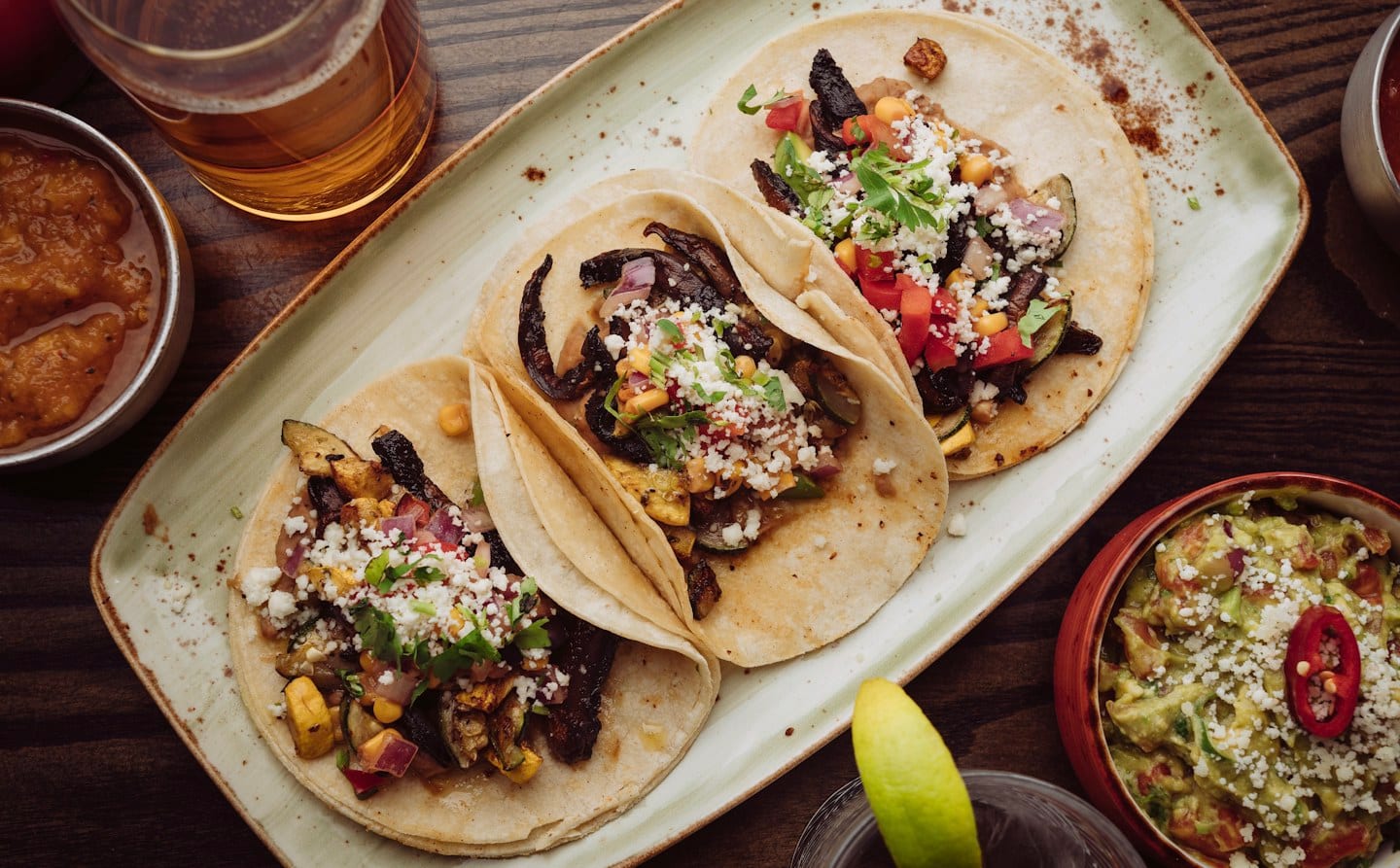
Observe the breadth of the selections. Does the menu offer a balance of textures and temperatures, or is it dominated by a single category of dish? For example, if one venue focuses on heavy, cream-based sauces and another on lighter, vegetable-forward plates, the tradeoff is between a sense of indulgence and a sense of variety. Identifying these patterns early allows you to steer the group toward a kitchen that can accommodate a wide spectrum of tastes without requiring a lengthy debate over the table.
The Hypothetical Gathering
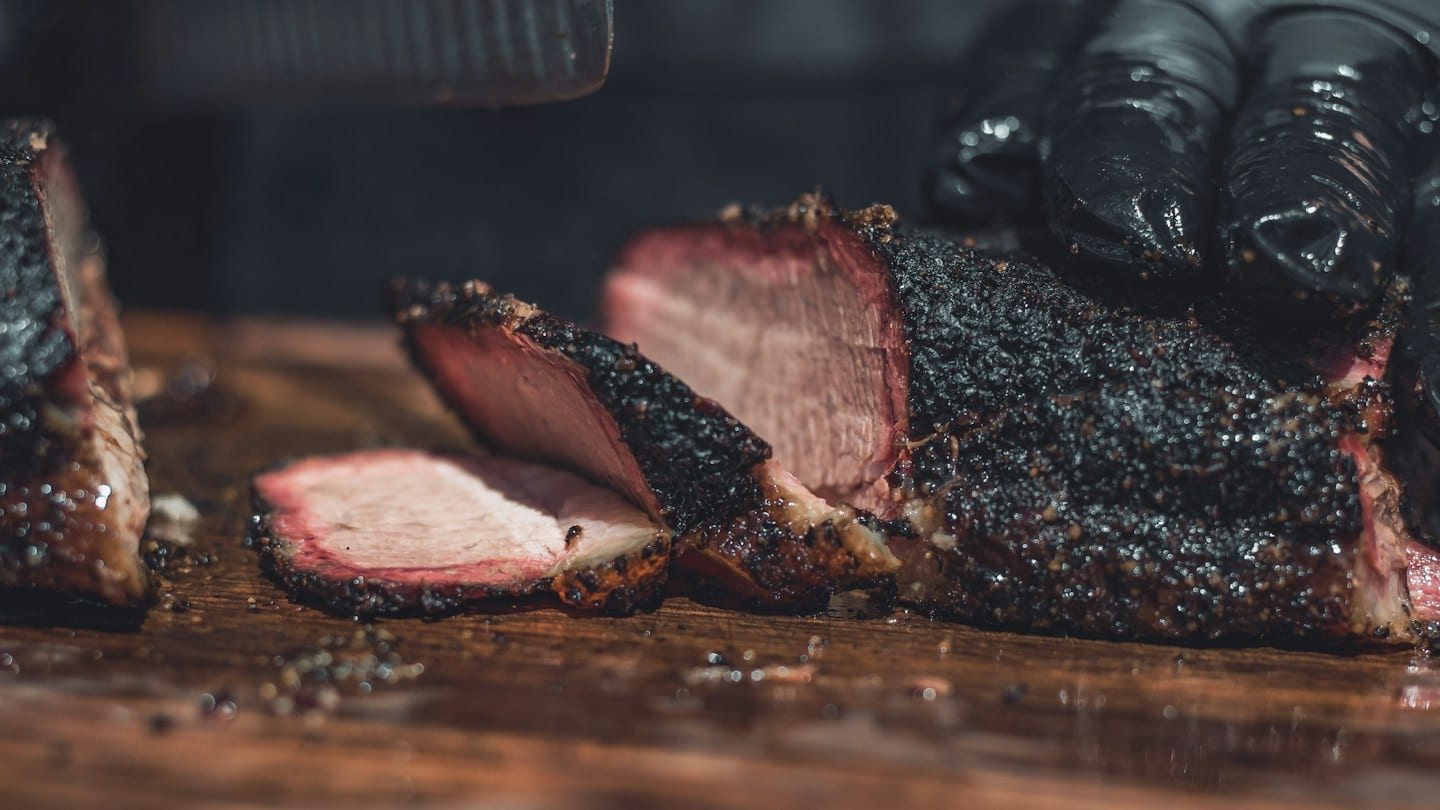
Imagine you are organizing a dinner for a group that includes a lifelong vegetarian, a colleague who avoids spicy seasonings, and a friend who prefers smaller, shared plates over large, individual entrees. If you choose a steakhouse with a limited side-dish selection, the vegetarian guest may find themselves navigating a very narrow path. Conversely, a tapas-style restaurant might solve the variety problem but could present challenges for the guest who prefers a structured, single-plate meal.
By reviewing the menus ahead of time, you can spot these potential friction points. You might notice that one restaurant offers a dedicated section for specific dietary needs, while another integrates those options throughout the entire menu. This distinction changes how much mental energy you will expend once you are actually seated.
Direct Inquiries for the Host
Once you have narrowed your choices down to two or three candidates, the final step is to move beyond the printed word. A menu is a static document, but a kitchen is a dynamic environment. Contact the restaurant directly to clarify how they handle specific requirements. Ask the staff how they manage requests for ingredient substitutions and whether they can accommodate certain dietary needs during a large group service.
It is also helpful to ask about the timing of the service for larger parties. Will the kitchen be able to coordinate the arrival of dishes so that the entire table eats at a similar pace? Confirming these details beforehand ensures that when the night arrives, your primary task is simply to enjoy the conversation, rather than managing the mechanics of the meal.