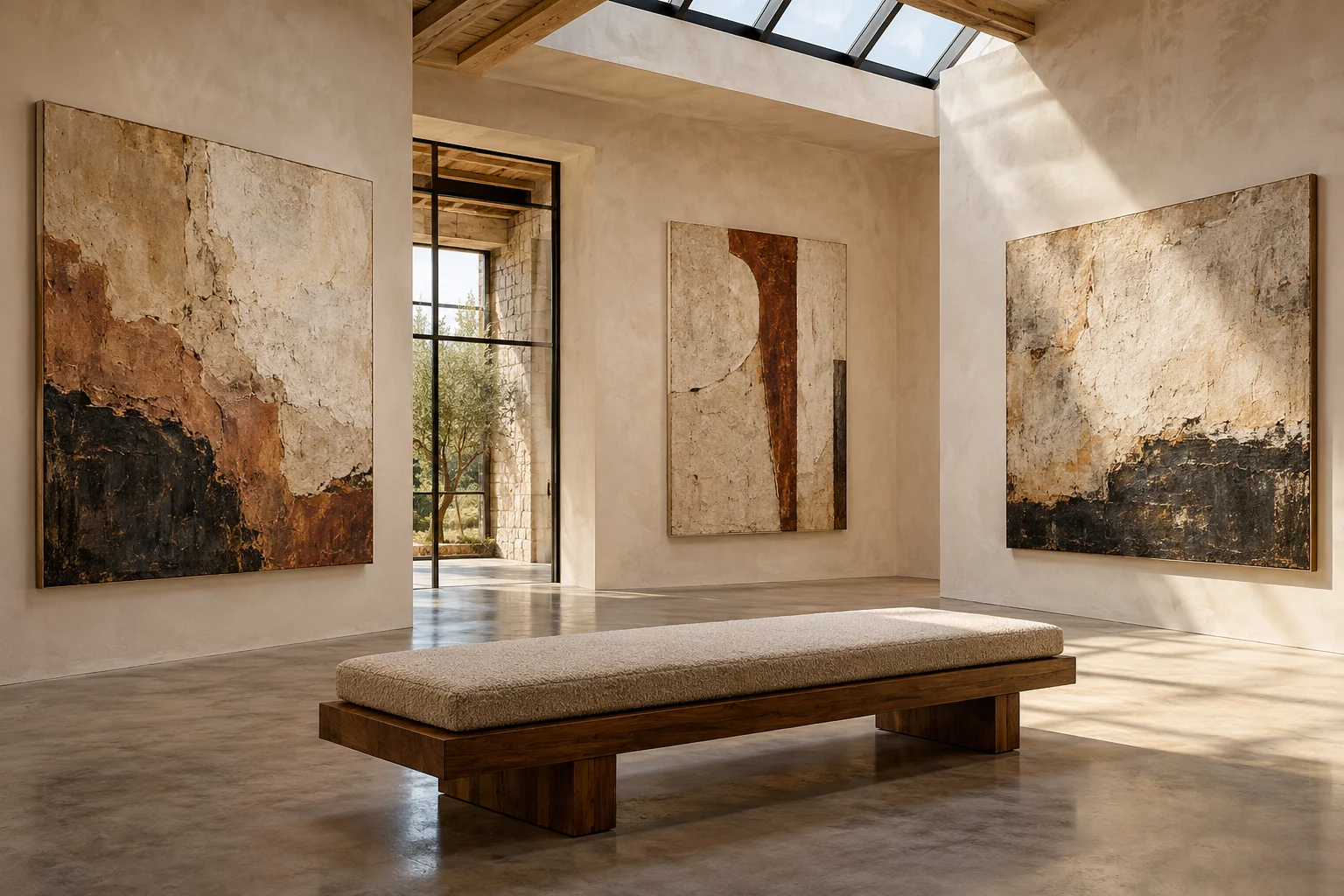
A heavy slab of rusted steel leans against a white wall, its surface pitted with textures that catch the overhead light. Nearby, a canvas is dominated by a single, sweeping stroke of cobalt blue that seems to vibrate against the pale background. Standing before these pieces, the immediate response is visceral: a sense of weight, a sudden coolness, or perhaps a flicker of irritation at a shape that feels unsettled.
The Gap Between Sight and Intent
There is a distinct tension between what we see and what the artist says they meant. You might look at a sculpture and feel a sense of profound loneliness, only to read a plaque stating the work celebrates communal strength. This gap is not a failure of understanding; it is the space where the viewer lives. One person sees a landscape as a memory of a childhood summer, while the creator may have intended it as a study of light refraction. These two truths can exist simultaneously without one canceling out the other.
The Rhythm of a Busy Household
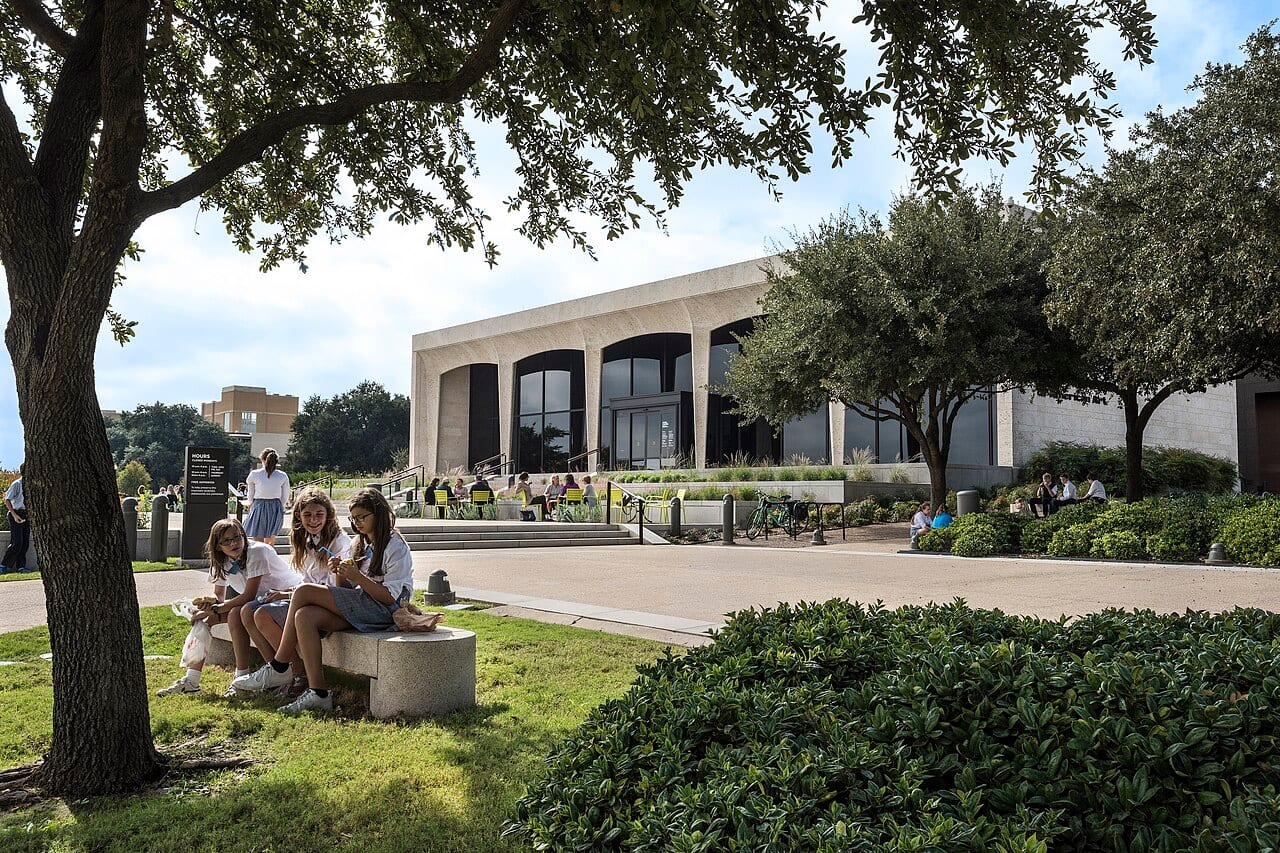
For many families in the Dallas–Fort Worth area, the luxury of a slow, meditative afternoon at a museum is often at odds with the reality of a rotating calendar. When one person is navigating a new shift at work, another is managing school pickups, and the evening is anchored by a commitment to a local sports league, the window for cultural engagement shrinks. The decision to visit a gallery often becomes a tradeoff between the desire for quiet reflection and the necessity of efficiency.
For example, if you have only ninety minutes between a midday meeting and a late afternoon errand, you might feel pressured to 'get through' an exhibition. You might find yourself rushing past a series of photographs to ensure you reach your next destination on time, feeling as though you have missed the point of the visit entirely.
Making the Most of Brief Encounters
The pressure to have the 'right' reaction can be abandoned in favor of simple observation. Instead of attempting to decode complex symbolism, focus on the physical presence of the work. Notice how the scale of a piece affects your sense of space, or how a specific color palette shifts your mood. If a particular work strikes a chord, allow yourself to stay with it, even if the clock is ticking. If the artist's written explanation feels disconnected from your own experience, ask yourself why that disconnect exists.
When the schedule allows for more depth, you might seek out a docent or a guide. Ask them how the artist's technical choices reflect the themes they have identified. This allows you to weigh their professional perspective against your own immediate, unpolished impressions. Ultimately, the value of the encounter lies in the dialogue between your eyes and the object, regardless of how much time you have to spend in its presence.