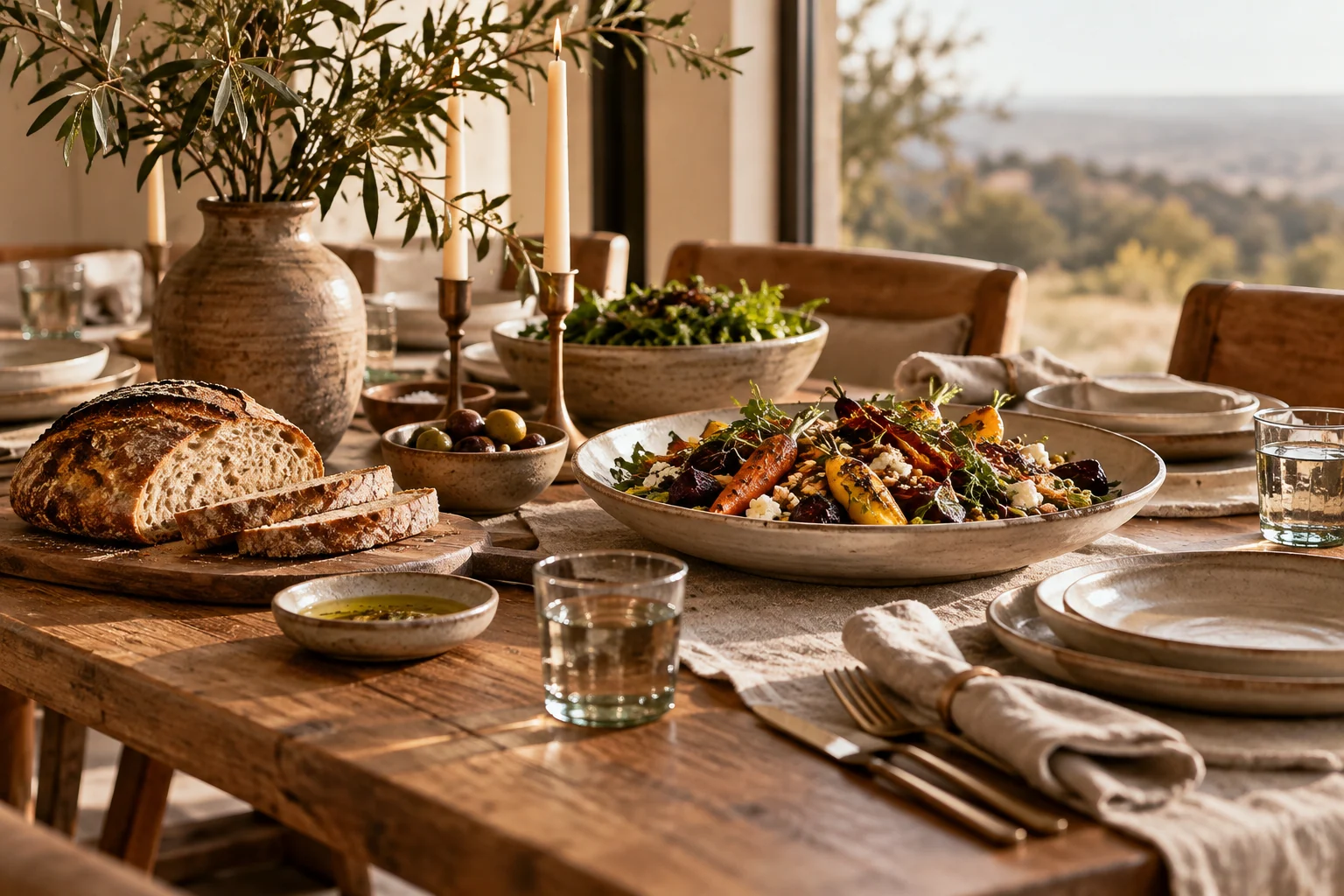
A grocery basket often feels like a commitment to a single, predetermined menu. We select a few specific items with a singular recipe in mind, only to find ourselves staring at a surplus of ingredients halfway through the week. However, the most efficient way to shop is to view a collection of ingredients not as a recipe, but as a set of possibilities.
The Core Selection
Consider a modest basket containing three foundational elements: fresh sourdough bread, sharp white cheddar, and honey-crisp apples. On the surface, these items suggest a simple snack or perhaps a single lunch. But when we look past the immediate impulse, these ingredients offer a series of pivots that change the character of a meal without requiring a massive expansion of the shopping list.
Shifting the Culinary Direction
The tradeoff in this approach is the tension between the comfort of a known recipe and the creativity required to repurpose leftovers. One path leads toward a warm, toasted profile, while another leans into something crisp and cool. For example, if you choose to focus on heat, you might slice the sourdough, melt the cheddar over thick wedges, and top them with thin apple slices for a savory-sweet melt. This is a heavy, satisfying option that centers on the texture of the bread.
Alternatively, you can pivot toward a lighter, more assembly-focused meal. Imagine slicing the apples into a bowl, pairing them with cubes of the cheddar, and using the sourdough as a side to provide a crunch that contrasts with the fruit. This version prioritizes the freshness of the produce over the richness of the cheese. The decision rests on whether you want the meal to feel like a centerpiece or a supporting player to your afternoon routine.
Navigating Personal Preference
Many people struggle with this type of shopping because they prefer to keep their personal tastes strictly separate from the objective utility of their groceries. You might find yourself wanting to buy exactly what you crave in the moment, yet feeling a sense of waste when those specific cravings are met and the remaining ingredients sit idle. This creates a conflict between the desire for immediate satisfaction and the desire for a functional kitchen.
To resolve this, try to select ingredients that occupy different roles—one starch, one fat, and one bright acid or fruit. When you shop with this structure, you are not just buying food; you are buying a series of potential outcomes. Instead of asking, "What will I eat on Tuesday?" ask, "How many different ways can these three items interact?" This shift in perspective allows you to satisfy a specific craving while ensuring that your market trip serves more than one purpose.