A single photograph can act as a window into a moment, but it also carries the weight of intent. Whether you are curating a family album, preparing a collection for a local gallery, or selecting an image for a professional project, the decision-making process often begins with a search for the 'perfect' shot. However, the criteria for a successful image shift depending on whether the goal is private memory or public consumption. The process of selection is rarely about finding the clearest picture; it is about finding the one that aligns with your purpose.
Context and the Viewer
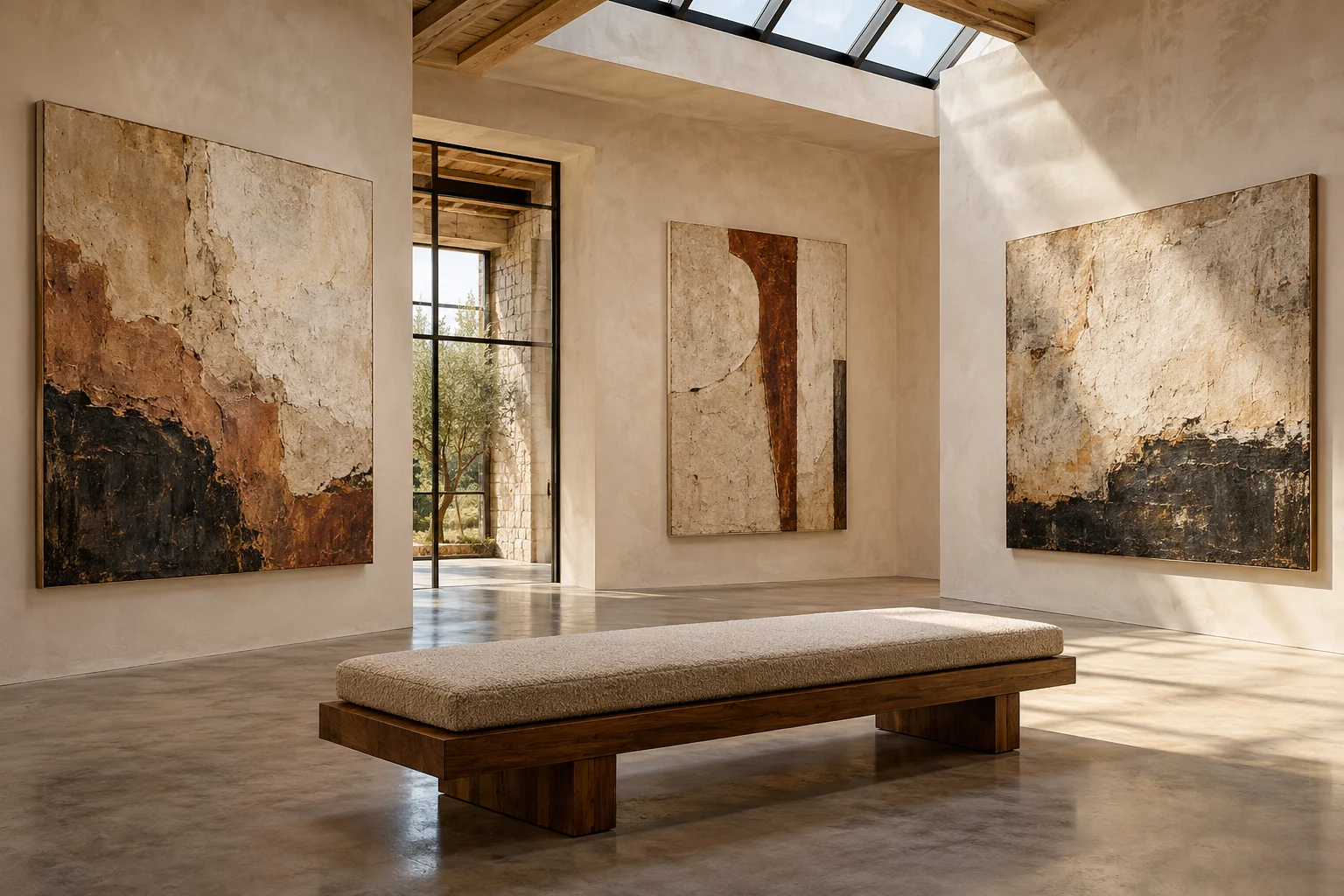
The value of an image is frequently tied to its surroundings. A candid shot of a sunset over a North Texas field might feel profound when viewed in a quiet living room, yet that same image might lose its impact if placed in a fast-moving digital feed. When selecting a photograph, consider how the environment in which it is viewed changes the story it tells. An image intended for a large print requires a different level of scrutiny than one destined for a small screen. Ask yourself if the composition serves the specific setting you have in mind. The tradeoff here is between the technical perfection required for physical display and the immediate, emotional impact required for digital engagement.
Permissions and Boundaries
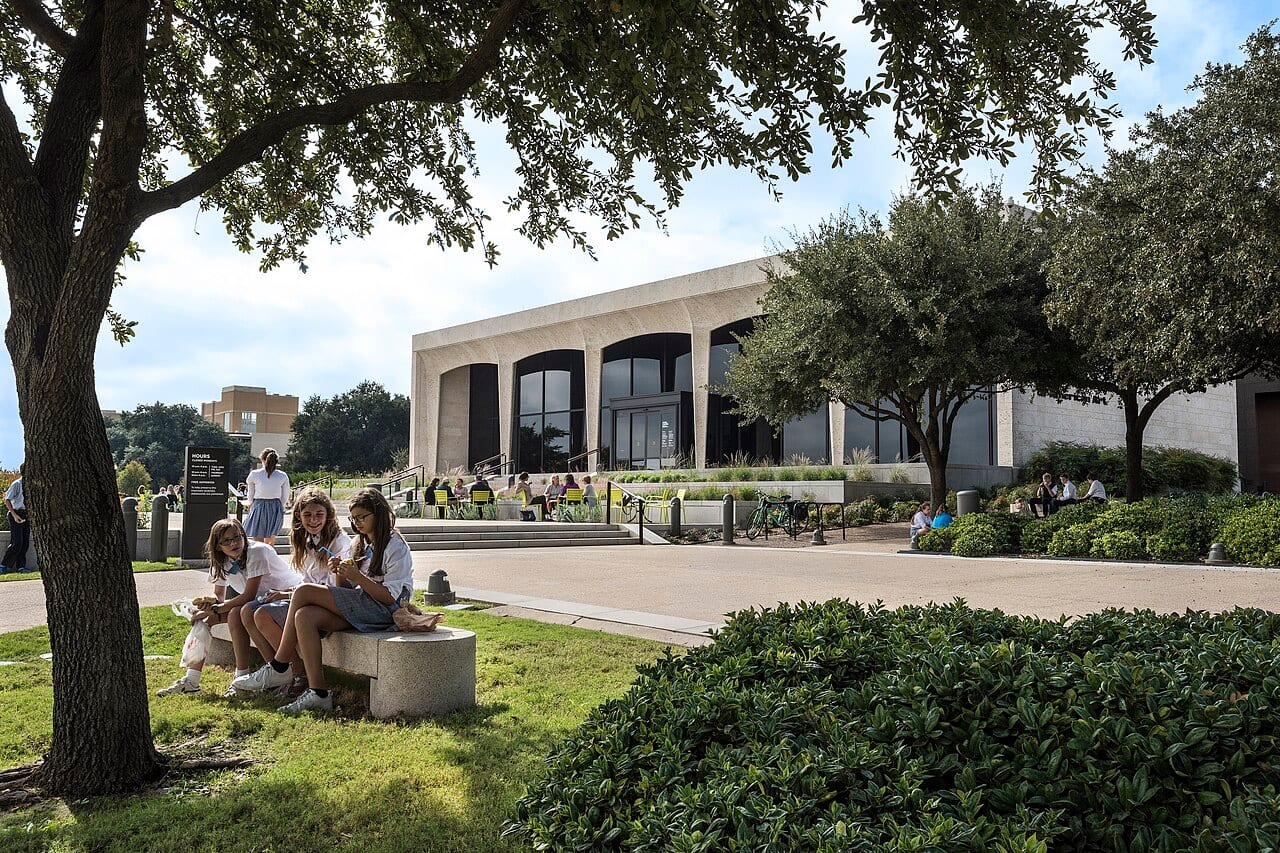
Beyond the visual elements, the ethics of an image involve the people captured within the frame. A photograph that captures a spontaneous laugh in a crowded Dallas restaurant is a beautiful memory, but it introduces questions of privacy and consent. For example, if you intend to use a photograph of a public gathering for a publication or a commercial display, the presence of identifiable faces becomes a central consideration. You might ask a legal professional what specific permissions are necessary when people are the primary subject of your work. This decision involves weighing the raw, unposed honesty of a moment against the responsibility of respecting the privacy of those depicted.
Streamlining the Selection Process
For many, the most difficult part of photography is the decision fatigue that occurs during the editing phase. To avoid being overwhelmed on the day of a project or event, it is helpful to establish your criteria before the shutter even clicks. If you are documenting a community event, you might decide beforehand that you only want images that capture interaction rather than static landscapes. This pre-selection mindset allows you to focus on the act of seeing rather than the anxiety of choosing later. By setting parameters early, you reduce the number of difficult decisions you must make when you are tired or under pressure.
Choosing the Narrative
Imagine you are tasked with selecting one image to represent a local heritage project. You have a stunning, high-contrast landscape and a soft, slightly blurred portrait of a local artisan. The landscape is technically flawless, but the portrait captures a sense of character. The decision rests on whether the project prioritizes the setting or the human element. To resolve this, determine the primary objective of your collection. If the goal is to document a place, lean toward the vista; if the goal is to document a life, lean toward the person. Defining your purpose first turns a subjective struggle into a clear, manageable choice.