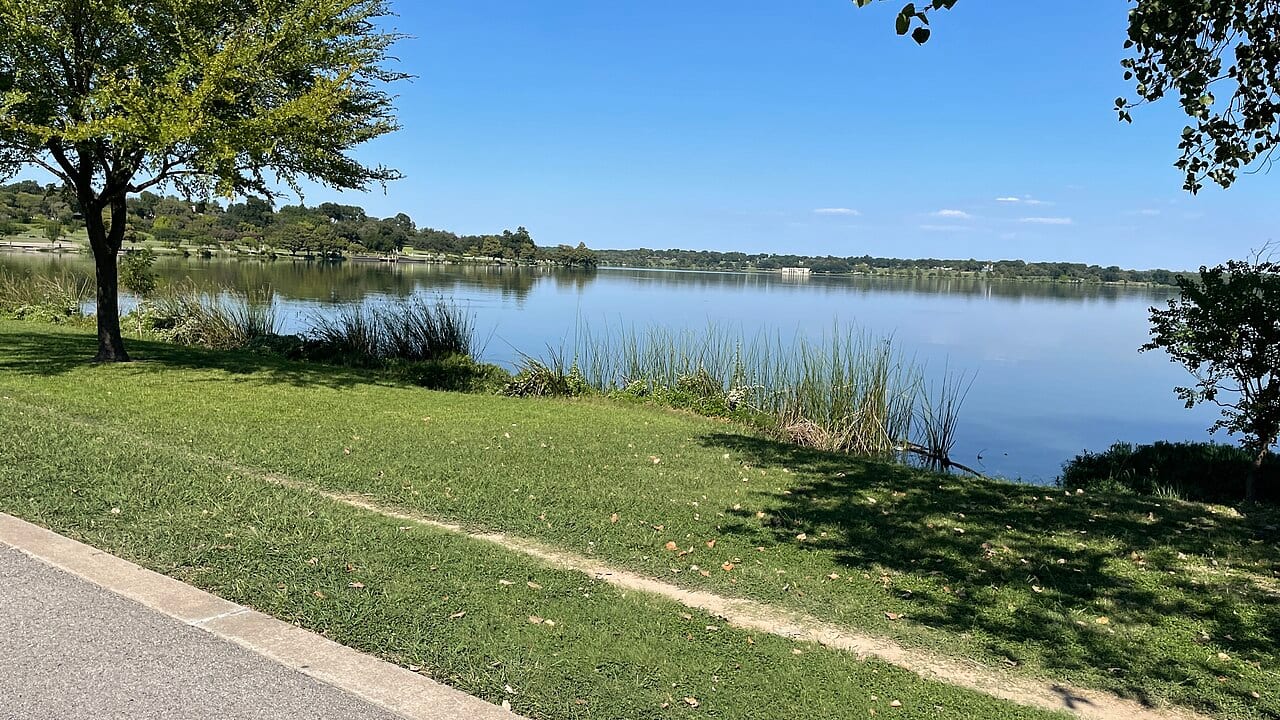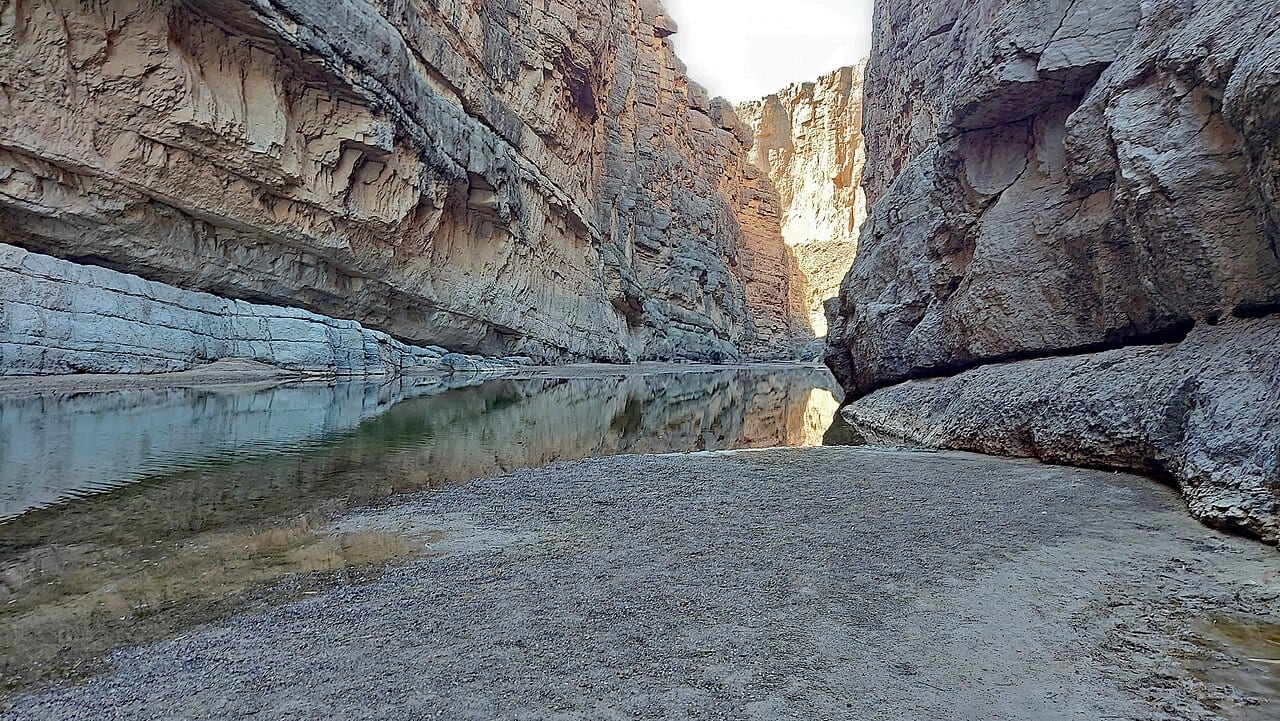
A heavy wooden door, a gravel path, or a sudden change in elevation can shift the entire tone of a planned afternoon. When organizing an outing for a group, the distance between a venue's general reputation and its actual suitability for your specific party can be significant. Relying on a website's broad descriptions often leaves gaps that only direct conversation can fill.
The Gap Between General and Specific
Many public spaces and private venues provide high-level overviews of their amenities. They might mention they are "accessible" or "family-friendly," but these terms are broad. For a group with specific mobility requirements or sensory preferences, these labels do not provide the granular detail necessary for a smooth experience. A venue might have a ramp, but that ramp could lead to a secondary entrance far from the main event, or the path leading to it might be uneven.
The tradeoff involves time and preparation versus the risk of arrival-day frustration. Taking the time to ask precise questions requires more effort upfront, but it prevents the scenario where a group arrives only to find the intended route blocked or the environment unsuitable for their needs. The goal is to move past generalities and secure specific confirmations.
Testing the Logistics
For example, if you are coordinating a luncheon for a group that includes individuals who use walkers, a photo of a dining room on a social media page is not enough. A photo shows the aesthetic, but it does not show the width of the aisles between tables or the height of the chairs. You might find that while the room is beautiful, the physical layout makes navigating the space difficult for your guests.
Instead of assuming, prepare a list of observations to verify. Ask the venue manager how they handle specific requests regarding seating arrangements. Ask if there are dedicated paths that avoid stairs or steep inclines. If the outing involves an outdoor component, ask about the surface material of the walking areas and the availability of shaded resting points.
Confirming the Experience
Verifying details is not just about physical movement; it also involves the sensory and social environment. A venue might be quiet during a weekday morning but transform into a high-decibel environment by mid-afternoon. If your group requires a certain level of calm, ask about the typical noise levels and any scheduled events that might coincide with your visit.
When you contact a venue, seek clarity on the following:
- Ask the staff to describe the specific route from the entrance to the primary area of interest.
- Ask how they accommodate requests for specific types of seating or table placement.
- Ask if there are any temporary changes to the layout or access points that might affect your arrival.
The most successful outings are those where the organizer has transitioned from hope to confirmation. By asking the venue to address your specific observations, you ensure that the reality of the space matches the needs of your group.